
Description
If you always wanted super versatile dough recipe that can be used for anything from Brioche over Burger Buns all the way to festive afternoon tea bakes, and is made with sourdough and protein, this is it!
I wanted to see if I could take the versatile “all-purpose” enriched dough concept popularized by Claire Saffitz and adapt it for a high-protein sourdough version that doesn’t compromise on texture. After several rounds of testing—and a few lessons learned along the way—I’ve landed on a base recipe that hits that buttery, pillowy brioche mark while packing 10g of protein into every slice.
Ingredients
Scale
Sourdough Starter (Levain)
- 1 tbsp (15 g) sourdough starter
- 90 g all-purpose flour
- 5 tbsp (70ml) water
Tangzhong
- Just under 1 cup/200 ml whole milk (I used Oatly Barista)
- 6 tablespoons/50 grams bread flour
Enriched Protein Dough
- 5 large eggs, chilled
- 3 scoops / 90g whey protein concentrate, unflavored (I firmly recommend using unflavored in this recipe, as flavored versions reacted dramatically different in my testing)
- 1/2 cup -1 tbsp /100g Greek yogurt (Full fat)
- 2 tablespoons vegetable or olive oil
- 1/4 cup/60 grams granulated sugar
- 3/4 cup/150g sourdough starter, active (You’ll have a little more than you need. Use that as base for your next bake)
- 1 cup/ 240g (All of the) tangzhong
- 2 1/2 cups/400g all-purpose flour, plus more for work surface
- 2 cups+2 tablespoons/350g bread flour
- 12 grams kosher salt (3 teaspoons Diamond Crystal)
- 2 sticks/220 grams unsalted butter, cut into ½-inch pieces, chilled, plus more, at room temperature, for pans
For Brushing
- 1 egg
Instructions
Day 1 – Evening
Feed Your Starter
- Mix your water and flour with a tablespoon of your existing starter until you have a very firm but “stir-able” dough. It should become relatively hard to stir towards the end of mixing. This is to give you a really strong starter that will stay active for hours. So you don’t have to schedule your day around your sourdough’s activity and there is less “free” water for the dough in the starter.
Make the Tangzhong
- In a saucepan whisk together your flour and milk for the Tangzhong. Set to medium heat and keep whisking. The mix will first look very liquid and then form up all of a sudden. Do not take your eyes off it and keep whisking until you have a paste the consistency of creamy potato mash.
- A whisk should leave a visible trace that doesn’t fill in. In doubt cook 20 seconds longer rather than shorter.
- Take off the heat and transfer immediately to your stand mixer bowl.
- Once cooled a little, you’ll be able to touch it without anything sticking to your fingers. That’s how you know you have the right consistency.
- Cover and allow to cool overnight while your sourdough is becoming nice and active.
Mixing The All-Purpose Enriched Dough
Blend Liquids and Protein
- For the smoothest result and easiest mixing add Eggs, Greek yogurt, whey protein, Oil and Sugar to a blender. Blend until smooth.
- Stir in your sourdough starter. In theory you could blend that in too, but I felt my blender was already pretty full
Mix The Dry and Wet Ingredients
- Add the salt and flour to the bowl with the Tangzhong and stir the dry bits briefly.
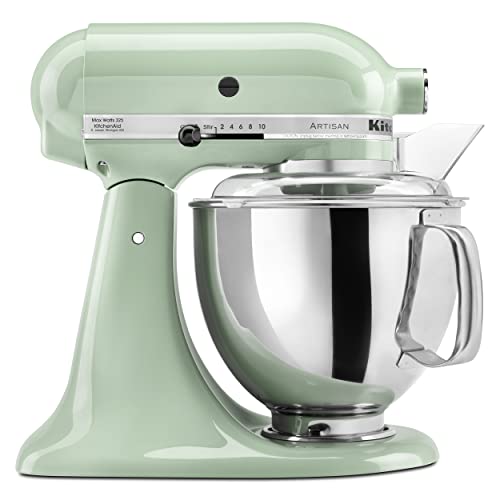
- Pour your protein blend into the mix and allow a stand mixer to knead on low speed the mix until you have a very wet and shaggy dough. Then continue to mix for at least 5 minutes to strengthen the gluten network.
- Cover the dough and allow to stand for about 30 minutes, so the flour can fully hydrate.
Coil folds
- Starting after about 30 minutes to one hour (this is very flexible) do 3 sets of coil folds by using damp hands to push under the dough, pulling the whole dough up and letting it sink down folding over itself.
- Turn the bowl by 90 degrees and repeat. Do this 3-4 times or until the dough looks visibly smoother.
- Cover again and repeat after about 30 minutes. Repeat 2 more times.
- Your dough should now look very smooth and be less sticky. If not, repeat the above once more
- Do this until your dough passes the “Windowpane Test”. For this test take a piece of dough and gently stretch it, until you can see light shining through it. If the dough rips before that is the case, it needs a little more TLC.
Mixing in The Butter
- Back to your stand mixer.
- Add the cold butter pieces in 2 batches and knead on low speed until the butter is fully incorporated before adding the second batch.
- Once you have a very smooth dough that is pretty soft and sticky, but will still stretch happily, proceed to the bulk ferment, allowing it to rise outside the fridge for about 4-6 hours or until doubled in size and very puffy.
- I often do this overnight beside an open window (while it’s under 50°F/10°C outside) overnight. If it’s warmer, better keep an eye on it to avoid overproofing.
Put into rectangular or square container (optional)
- I put my dough into an oiled rectangular box that has a lid, as I find it much easier to portion a dough from that shape than a round one. But that is purely personal preference.
- Pat it out with your hands a bit, pushing it into the corners.
- Cover and allow to bulk ferment.
- I usually let it sit on my counter for a few hours (6-8 hours for this enriched dough.) until visibly risen and then move it to the fridge.
- For this super buttery dough fridge time is mandatory to firm up the butter, so you can shape it easily. Otherwise it will be way too soft.
- But depending on your schedule you could also put it into the fridge to cold ferment for up to 3 days of fridge time total. Shape and finish the rise when you have about 8 hours until baking.
Prepare Your Loaf Pans
- Grease your two loaf pans with a little butter. This will help your baking parchment stick in it and make placing the dough so much easier than wrestling loosely lying parchment!
- Cut a piece of baking parchment as wide as your pan is long.
- Place inside the buttered loaf pan and fold the overhanging sides. This will give you an easy way to lift out your sourdough protein brioche later.
- If you like your crust slightly crisp and gold, lightly butter the parchment too.
Shaping Your Brioche
- Take your now cold and firm dough out of the fridge and tip it onto a lightly floured work surface.
- Cut into 16 equal pieces.
- I used food scales to get them (near) perfectly even, but you can absolutely eyeball it.
- Now locate the smoother side of each piece (the one that was on top and hit the floured surface usually) and turn that down, so you have the sticky side up. Pat it out lightly using your hand, then grab the four corners, pulling them up and squishing them together in a sort of garlic bulb/dumpling shape.
- Flip over, so the sticky ends are now on your work surface.
- Cup your hand over it, barely touching the surface and start moving it in rapid small circles around the bun, until it has enough surface tension to be smooth and “stand up” a little bit.
- This works best if there is no flour on that part of the surface, so the dough can hold onto it a little. There will be little bits of dough sticking to the worktop. That’s fine.
- If it’s unworkable or spreads too much it’s likely too warm.
- Though if even cooling it fully overnight didn’t fix it, you can add a little more flour at this point.
- Now place 8 dough balls in each loaf pan. They should look pretty closely squished together, so they rise up, giving you a super high and puffy end result.
Final Rise
- Tuck the loaf pans into plastic bags and close them with a knot or a clip. This will prevent the dough from drying out in the rather long rise it needs.
- Allow to rise for 6-8 hours at room temperature (my kitchen is about 70°F/21°C and it needed a full 8 hours) until it looks really puffy and risen.
- To check if your dough is ready gently poke it with an oiled finger (this dough sticks!). It should leave a dent, feeling noticeably airy, that springs back slowly.
Bake Your Brioches
- Preheat your oven to 350°F / 175°C with an oven rack in the center.
- Crack an egg into a small bowl and whisk until smooth with a fork
- Take the loaf pans out of their bags and brush the top of the brioches with the egg wash for that deeply golden, shiny top.
- Bake for 25-35 minutes or until golden and baked through
- I like to check the core temperature with an instant read thermometer. It should be 190°F/88°C to be fully baked.
- Note that bread with protein powder browns a little faster due to the added milk sugars. But that doesn’t mean it’s baked through. So if you are used to non-protein bread, be sure to leave it a little longer, as the enriched dough needs time to bake fully.
- If you have no thermometer, you could light the bread gently out of the pan and tap the bottom. It should sound hollow when baked through.
- Once it’s fully baked allow it to cool for about 10 minutes in the pan, then, using the parchment edges to lift it up, gently place it on a cooling rack to cool for another 20 minutes or so.

Notes
How To Serve
- This Sourdough Protein Brioche is best when eaten still slightly warm.
- I adore it with a little more butter and some jam on top. My personal favorite is homemade cranberry jam (some call it sauce, but really, I use it as jam!). Though honey is a close second!
- On the next day the brioche slices wonderfully and toasts up to the most amazing golden brown you can imagine.
- Oh and it makes the probably best French toast or bread and butter pudding!
- Seriously, for this reason alone you’ll want two!
Tips for Busy Schedules
- Personally I wildly switch up the time of bulk fermentation, cold ferment and rise after shaping. The important part is that your dough gets time to rise once before shaping, so it’s already light and fluffy when you start and then again until visibly risen and puffy after shaping. It doesn’t matter if that happens in the fridge or on your counter and the time needed will vary depending on the temperature it sits at.
- To check if your dough is ready gently poke it with an oiled finger (this dough sticks!). It should leave a dent, feeling noticeably airy, that springs back slowly.
- If you have a hard time denting it at all, it needs more time.
- If the dent stays and doesn’t bounce back slowly, it might have gone a little too long (though you can still bake it).
- It’s much harder to overproof sourdough than to underproof it.
- Patience and cold fermentation always pay out in flavor and gut friendliness.
How To Store
- The Brioche keeps beautifully soft and moist for up to 3 days in an airproof container at room temperature.
- It freezes really well either as whole loaf or in slices separated with parchment, so you can grab one and toast fresh whenever you like.
- Prep Time: 1 hour
- Fermentation/Proofing: 30 hours
- Cook Time: 30 minutes
- Category: Bread, Protein Sourdough Recipes
- Method: Baking
- Cuisine: French