
German Sourdough Black Bread

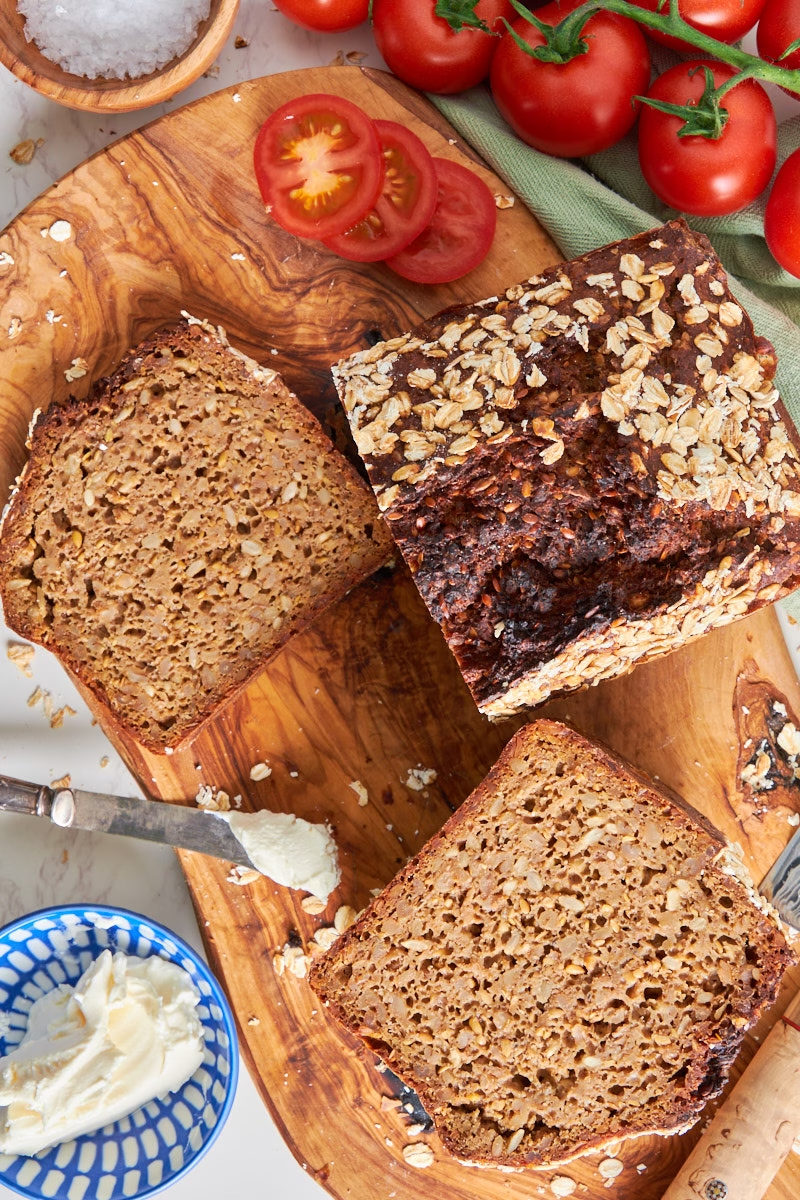
Real German Schwarzbrot is known for being dense, hearty, and incredibly long-lasting. It’s a 77-100% whole-grain bread that relies on a slow process and simple ingredients like dark rye, buttermilk, and cracked grains. I’ve updated this recipe to move away from the ‘no-knead’ method I originally shared. While just stirring the dough is easier, I found that a dedicated 15-20 minute knead is the only way to consistently prevent the ‘flying crust’—the gap that can form between the top and the crumb and it keeps the bread incredibly soft. This update ensures a stable, reliable loaf that stays moist and slices perfectly every time.
This post may contain referral links for products I love.
For The Pleasure Of Eating earns a small commission on these links at no cost to you.
- Why You’ll Love This
- The Ingredients
- Substitutions
- Equipment Used
- How to Make this
- How To Store
- FAQ
- Other Recipes You Might Enjoy
Why You’ll Love This
TL;DR
- Gut Health Hero: Fermented with sourdough to break down phytic acid for better nutrient absorption.
- High Fiber & Filling: A dense loaf packed with cracked grains that keeps you satisfied much longer than white bread.
- The Texture Secret: A a long grain soak and a 15-20-minute knead work magic here, giving you the perfect soft and moist texture this bread is known for while keeping the crust stable.
- Simplified Ingredients: Streamlined to use whole grains and flours you can actually find at the grocery store.
- Classic Flavor: Authentic German Schwarzbrot taste with a hint of caramel and a nutty, satisfying bite.
German Bread, similar to Pumpernickel
Missing yet more of the thousands of German breads from home, this German Sourdough Black Bread (Or “Vollkornbrot” as we call it) was high on my list of them. A proper wholegrain bread. Dark with Rye, full of grains and sunflower seeds. The ideal bread for one of my favourite German sweet spreads “Grafschafter Goldsaft”. A sugar beet sirup, which is sweet, but not too sweet, with molasses undertones, yet very different and addictive.
Updated Recipe
About 2 years after posting this recipe, I felt it’s time for an update. I made the bread many times and have since refined the method and ingredients a little, making it easier accessible and improve small niggles I had, while implementing feedback I got from you too.
What has Changed and Why
- I slimmed down the ingredients list a bit consolidating the different types of grain berries I used into one, to simplify the shopping for you. You still can use different ones if you like of course, but it works perfectly with just one type and you have the choice between at least 3 different ones, depending on what you can find where you live.
- The same goes for flour. Where I used einkorn and emmer flour before, I now state you can use one of them, to make it a bit simpler.
- The rye flour however remained the same, as it is the classic flour in this traditional German bread.
- I removed the malt syrup, which might be harder to get for some of you and use only molasses.
- I removed the diastatic malt powder. It’s lovely and I often still add it, but it’s not a necessity.
- Maybe the biggest change I made is that I now advise you to soak the cracked grain berries.
Back in time I followed the often used German method of simply fermenting them for 24h with the sourdough, but as soon as you get a pack that might have sat on the shelf for a while, this often turns out a bit too hard, instead of giving you that yielding softness classic Schwarzbrot is known for. - My ratio for the sourdough starter has changed pretty drastically to a 1:7:6 ratio from the standard 1:1:1, giving you a less sour Levain, which ferments both slower and less acidic. This allows you flexibility for when you start your bread (no watching for sourdough peak activity like a hawk!) and when fermenting your dough, as the bread will turn out great even after up to 3 days in the fridge. If you have that type of patience. Or just don’t get around to baking it earlier because life gets busy.
- To prevent any potential “flying crust” and get the texture perfect, I added 15-20 minutes kneading time to the recipe, releasing starches and pentosans (the natural ‘glues’ in rye), allowing the water to bind more effectively. Following this with a lower, slower bake prevents an “explosive” oven spring that would otherwise puff up the crust before the internal moisture has a chance to evaporate.
- Last but not least I have halved the base recipe. While the classic German version is made in a very large Pullman bread pan, not everyone has one of those. The new amount fits perfectly into a classic bread pan most of you will have at home. And you can still use the 2x/3x scaling function in the recipe card if you’d like to make more.
- All of this results in a softer and more balanced loaf of grainy goodness, that I’m very sure you’ll love just as much as I do.
But wait, there is more!
With my recent exploration into sourdough protein territory (Is it even a territory quite yet? I mean, if barely anyone is playing with the options? Anyway…onwards) I figured I’d see how this bread fares if I add protein and decided to give you a new recipe on top of this one, with the higher protein and create a video for it too, showing the slightly unusual type of dough, if you are used to “normal” sourdough bread and how easy it really is to make.
Because believe it or not, this one needs no shaping, folding, pinching and creating tension. You just stir it together, let it do its thing and plop it into a bread pan to bake.
Now, back to what I love about this recipe, and you will too!
Very Healthy and High Fiber
This very traditional German Schwarzbrot (Literally translates into Black Bread) is made with dark rye flour, whole grain berries that are just crushed a bit, and emmer or einkorn flour. In addition it has sunflower seeds for nutty crunch and flax seeds for even more fiber and healthy fats.
All of that means it has a low glycemic index, meaning it doesn’t cause your blood sugar to spike, making it a great bread choice for diabetics. In fact, my father, who was a diabetic only ate black bread for many years.
Gut Friendly Due to Sourdough
If you add sourdough to all the great effects from the above mentioned fiber, you get a truly gut healthy bread with plenty of good bacteria, keeping you regular and your tummy very happy. But it does more than that. The slow fermentation with sourdough breaks down a large part of the phytic acid from the whole grains, allowing your body to better absorb vitamins and minerals contained in them.
German Black Bread Is Low In Calories
While a slice of standard sourdough bread has around 200 calories and won’t keep you full for very long, this German black bread has only about 119 calories per slice and will keep you fuller for longer due to the high amount of dietary fiber (about 3.6g per slice. That’s 13% of your daily recommended amount).
Incredibly Flavorful Whole Grain Rye Bread
With all this talk about health and macros, you might think this would taste like “a slice of sadness” (as I’ve heard some keto breads described), but the opposite is true. I often eat this for dessert with a thin layer of butter and a drizzle of molasses or Grafschafter Goldsaft (German beet syrup).
Whole grains have a high starch content, which is usually their “downfall” in processed white flour. However, when you use the whole berry, the fiber slows down the sugar absorption. Because of this, you’ll notice a natural sweetness as you chew; your saliva contains enzymes that start breaking those complex starches down into simple sugars right in your mouth.
The flavor is nutty with a substantial bite that isn’t “hard.” The sunflower seeds add a buttery softness that balances the grains, which have been tenderized by the soaking and fermentation process. Then there’s the sourdough magic—that gentle tang and malty depth that makes it taste like “proper” bread.
To balance the acidity from the long fermentation and buttermilk (which helps soften the grains), I add molasses. It lends a hint of caramel that deepens during the long, slow bake.
Very Forgiving and Flexible
This bread frankly keeps surprising me. One time I literally forgot to add the emmer/einkorn flour, cutting down the flour amount by more than half. Yet, the bread still came out delicious. It just needed a little longer to bake.
You can change up the grains and flours to your heart’s desire as it doesn’t have the delicate gluten structure your standard sourdough bread develops. There is no perfect rise to keep chasing. Just nutty, hearty fiber goodness, which will allow you to experiment until you find your perfect grain mix.
Fun Fact
Did you know that we categorize our breads by colour in Germany?
We literally call them white, grey, and black bread.
With white being what other countries just call “bread” basically, Grey being a mix of white and rye, sometimes wholegrain flour, in various degrees. A typical example would be my German Sourdough Rye Beer Bread. And black being anything really dark, usually with whole grain berries like this German Sourdough Black Bread.
Most of these are made with yeast, even the whole grain ones, but by adding sourdough, you will increase the health benefits by adding nutrition, easier digestability, beneficial gut bacteria and more.
Let me know if you’d like to see a recipe for any specific German bread and I’ll see what I can do.
Ingredient Notes
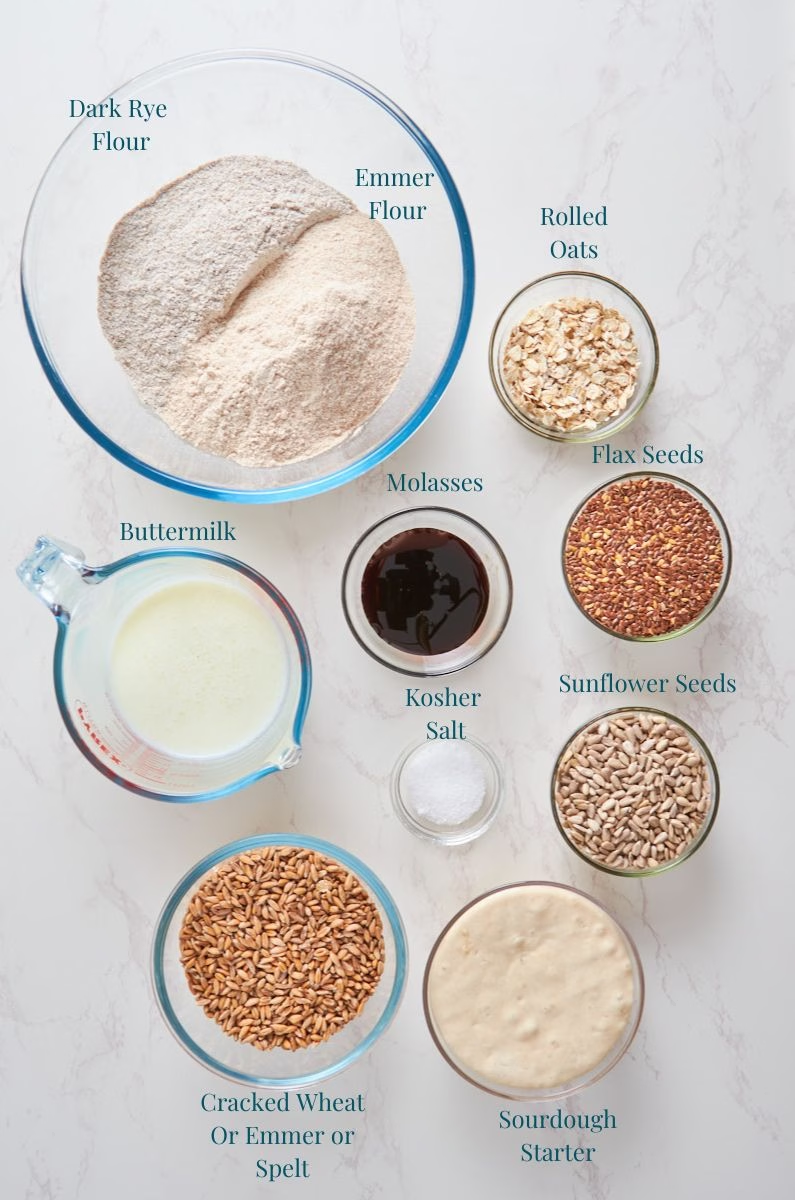
Don’t get scared by the long-ish list. Most of it is pantry stuff you probably already have at home, especially if you like to bake.
Dry Ingredients
- Dark Rye Flour – This gives German Schwarzbrot its typical flavor and colour. There is just something about rye flour that I find utterly irresistible, and I use it in many of my recipes like my German Sourdough Rye Beer Dutch Oven Bread.
- Cracked Grain berries – You can use wheat, spelt, emmer or einkorn or a mix of them, depending on what you find or have on hand. They all work equally well. Since I have no grain mill, I feel pre-cracked (often labeled as ‘cracked wheat’ or ‘steel-cut’) works best, though I do use my Vitamix to crack those I can’t find ready cracked. It just gets a bit warm if you blend for too long, and the grains are less even.
- Emmer or Einkorn Flour – Einkorn is classic, but Emmer or spelt works lovely too. This dough doesn’t develop much of a gluten structure, let alone rise. So you are more flexible in what you use. There might be small differences in water absorption and behaviour, which would lead to huge changes in a typical sourdough bread, but the characteristics of this loaf mean you won’t feel much of it in the final texture.
- Sunflower Seeds – They are a very typical addition in this type of bread, giving some buttery, nutty bite in the bread.
- Flax Seeds – Because black bread isn’t made with white flour, it has less gluten “glue” to hold together than your average sourdough bread. This is where flax seeds come in. Their ability to soak up water, transforming into a gel-like consistency (which is why they are often use as egg replacement in vegan cooking) holds the grainy loaf together.
- Salt – This isn’t just for flavor, but also to control the fermentation, so don’t leave it out.
- I use Diamond Crystal Kosher salt in all my cooking and baking. It has a very fine structure, so it has less saltiness in volume than, say sea salt (but the same by weight). So if you use sea salt, use half the amount in volume than given in the recipe.
Note:
Cups, due to the possibility of compacting the flour while dragging the container through it, can give you wildly different results. Use a tablespoon to gently fill the cup with flour, then drag the back of a knife over it to level. This should give you the closest to the standard 120g per cup of flour.
Alternatively, if you have kitchen scales, assume 120g flour per cup and weigh it out.
In many of my recipes I will give gram measurements for this reason, but you can always switch to the american measurements in the recipe card.
Wet Ingredients
- Buttermilk – Adds gentle acidity, helping to soften the grains and acts as main liquid.
- Sourdough Starter – If you don’t have one yet, use my recipe for rye sourdough starter to make your own. It works with both rye and white flour, and you can use either for this bread.
- Molasses – In Germany we would typically use “Grafschafter Goldsaft” (German beet syrup) to make this bread. Molasses is very similar in colour, flavor and function, so its deep caramel flavor works beautifully.
substitutions
Dry Ingredients
- Dark Rye Flour – Use any rye flour you can find. Lighter will work too. If you absolutely can’t find rye, simply raise the amount of the secondary flour. But you won’t get that traditional German Schwarzbrot flavor without rye. It’ll still be a darn good and healthy bread though!
- Emmer/Einkorn flour – If you can’t find either, simply replace it with wholegrain flour.
- Sunflower Seeds – Pumpkin seeds work marvellously instead. You can get creative here though. They are an “add-in”, so use any seeds or nuts you enjoy. Or just leave them out.
- Flax seeds – You can swap the flax seeds for chia seeds 1:1 by weight (75g). Just keep in mind that chia seeds soak up more moisture, so you might need to add an extra splash of water to keep the dough from getting too stiff.
Wet Ingredients
- Buttermilk – If you don’t have buttermilk, add 1 tablespoon vinegar to any milk (even plant milk will work) you have at home to get a very similar result. This works to convert this into a vegan bread too.
- Sourdough Starter – If you don’t have or don’t want to use sourdough, here is how to replace it with yeast: use 130g additional rye or white flour, add 120ml water. To get the rise, add 1.5 to 2 tsp of instant yeast. Since you’ll lose that signature tang, I recommend adding 1 tablespoon of apple cider vinegar to the dough to mimic the acidity. This also helps the rye texture set properly so it isn’t gummy.
Equipment Used
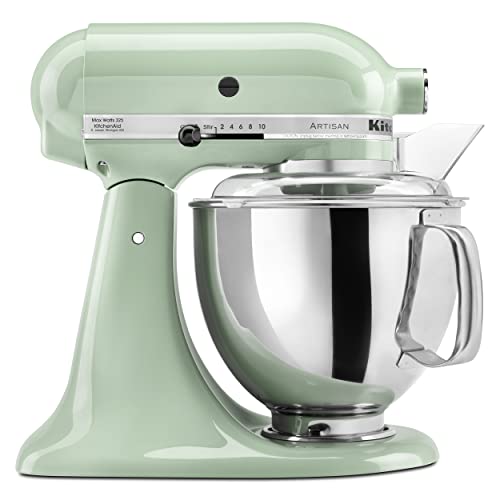
- Stand Mixer – Such as KitchenAid. I usually try my best avoiding a firm recommendation for a rather expensive tool, but for this bread, you’ll absolutely love it. By adding a bit of kneading time, we release the starches and pentosans (the natural ‘glues’ in rye), allowing the water to bind more effectively. Following this with a lower, slower bake prevents an “explosive” oven spring that would otherwise puff up the crust before the internal moisture has a chance to evaporate, leading to the dreaded “Flying crust”. Could you do this by hand? Sure, but kneading a really sticky dough for about 15-20minutes is a serious workout!
- Bread Pan – A standard 9×5-inch (about 2lb/1kg) loaf pan works beautifully.
- Food thermometer – I don’t list this often as needed, but ideally for this bread you want one, to check the final temperature at the center toward the end of baking, to get the texture just right.
- You may use the “knocking method” to tap the bottom of your bread, and if it sounds hollow-ish it’s done. But that’s just very unpleasant with hot bread. And because black bread is…well…black, you have no grade own browning to judge by.
- Vitamix/Grain mill – If you can’t find cracked grains, a high speed blender like Vitamix for about a minute on medium speed works well. Of course, if you have a grain mill you can set to just crack the grains, that would be the most professional method. Some recipes say you can use a high powered food processor, but frankly, my Sage/Breville isn’t up to the task without me fearing for the blades.
 Buy Now →
  Buy Now →
  Buy Now →
 How to Make this
Despite the long and strange looking list of ingredients (if you are not used to German Sourdough Black Bread that is), this requires very little hands-on time. Only a lot of resting time, to soften the grains.
Day 1: Preparing the Levain and Grain Soak
Levain
- Prepare your Levain my mixing all the ingredients and leaving it lightly covered on your counter overnight. Due to the feeding ratio, It’ll be ready to use the next day, whenever you get around to it.
Soak Your Grains
- Pre-soak the cracked grain berries by covering with about double their volume of just boiled water. Leave them covered on the counter overnight.
- If you are in a hurry…well…half hurry, as this is, by nature, a slow bread, you can boil the cracked grains for about 60-90 minutes until they are soft and then drain them.
- Drain well in a sieve or colander for at least 10 minutes, shaking them occasionally, before mixing into the dough. Otherwise you may have a too wet dough.
- If you have very fresh grain berries, you could try to skip this step and ferment the dough for at least 24h, but they will remain slightly harder than the pre-soaked version.
Note
In some recipes I saw people carefully measuring the water they soak their grains in. I found, with the about 450ml (under 2 cups) you need, the grain is covered at first, but soon expands above the water, meaning you have some dryer and some wetter berries, leading to weird changes in texture and hard grains in parts.
You could argue that different sizes of grain berries soak up very different amounts of water and you’d be entirely correct. I weighed differences of up to 1/2 cup/120ml when soaking different types of grains. But that’s where the core temperature at the end of baking comes into play. If your bread is at 205°F (96°C) the water has evaporated to the degree that gives this bread the ideal texture. You might bake a little longer or shorter, but it’ll still work beautifully with soft grains throughout the dough.
Day 2: Mixing the No-Knead Rye Dough
Combine the Wet Ingredients
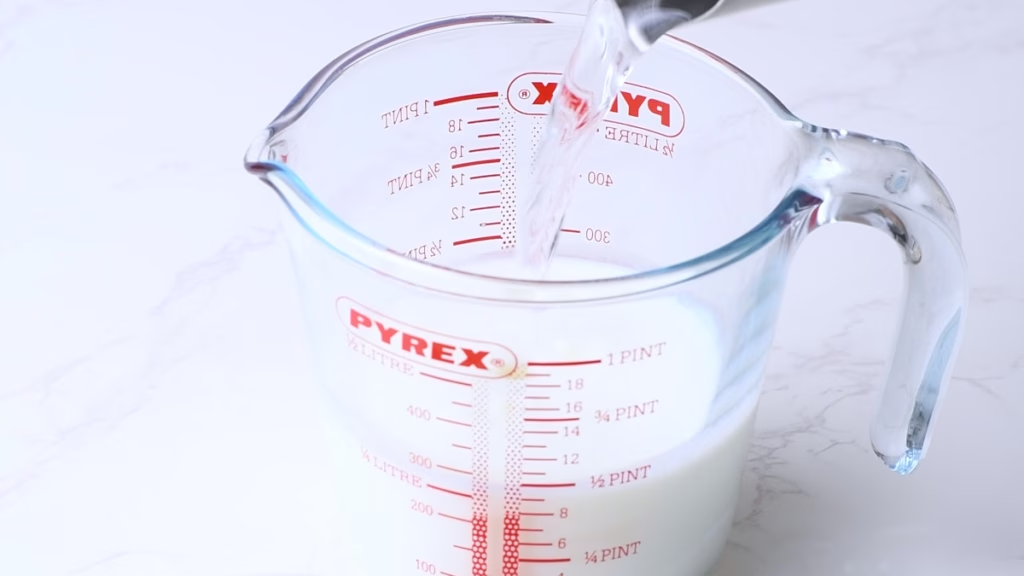
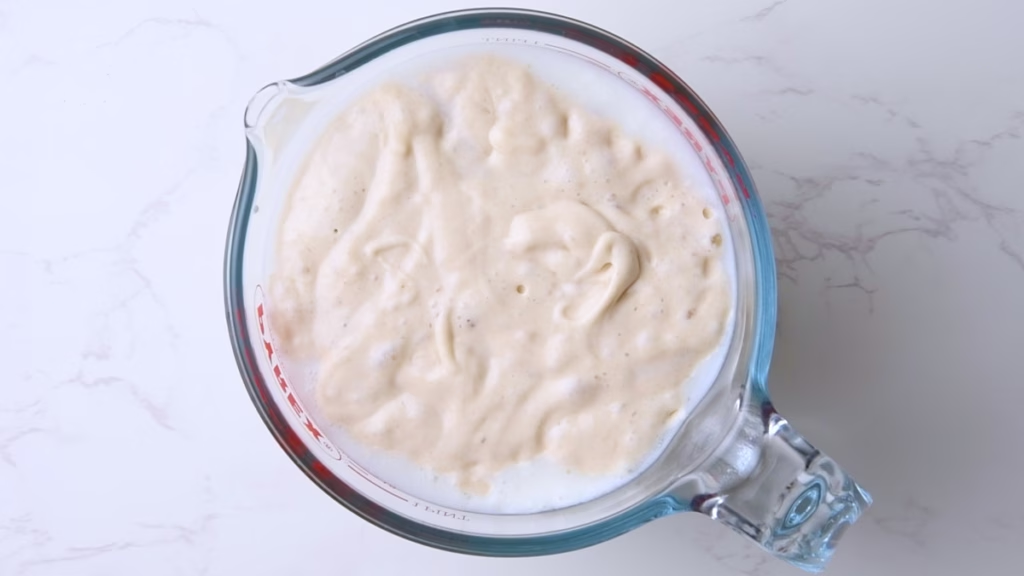
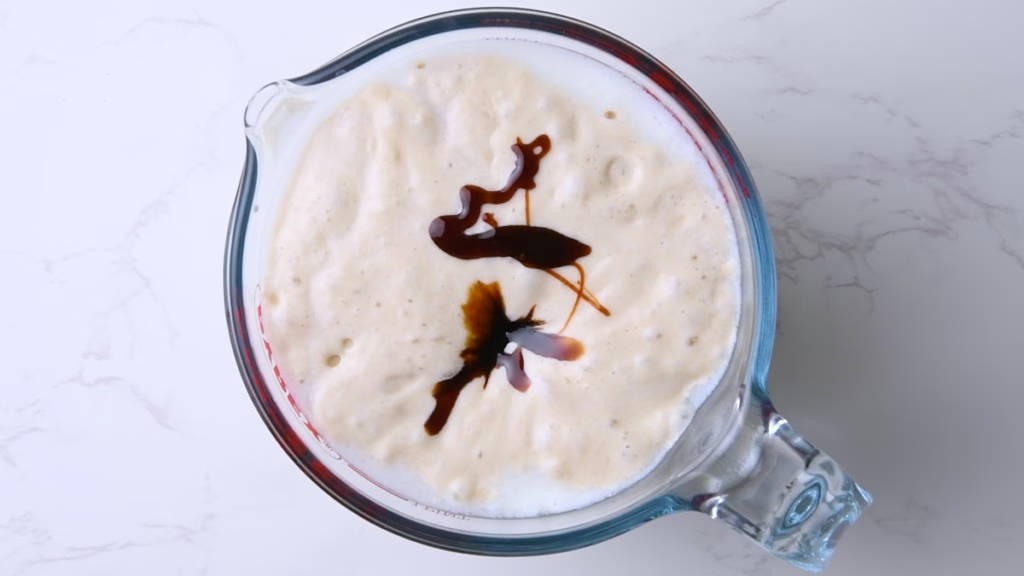
- Combine the wet ingredients in a bowl: buttermilk, sourdough starter, and molasses (or honey). Mix thoroughly.
Stir The Dry Ingredients
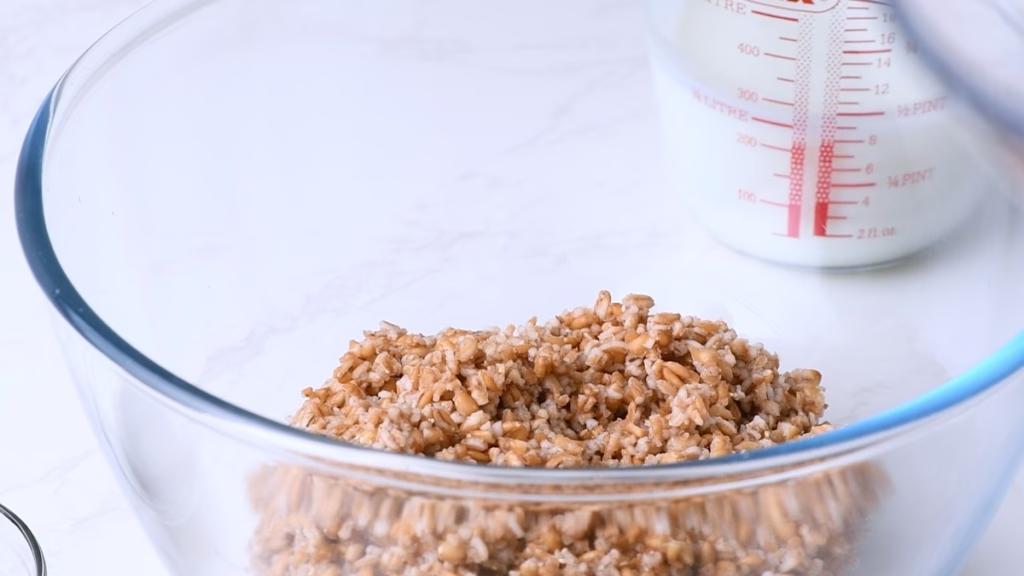
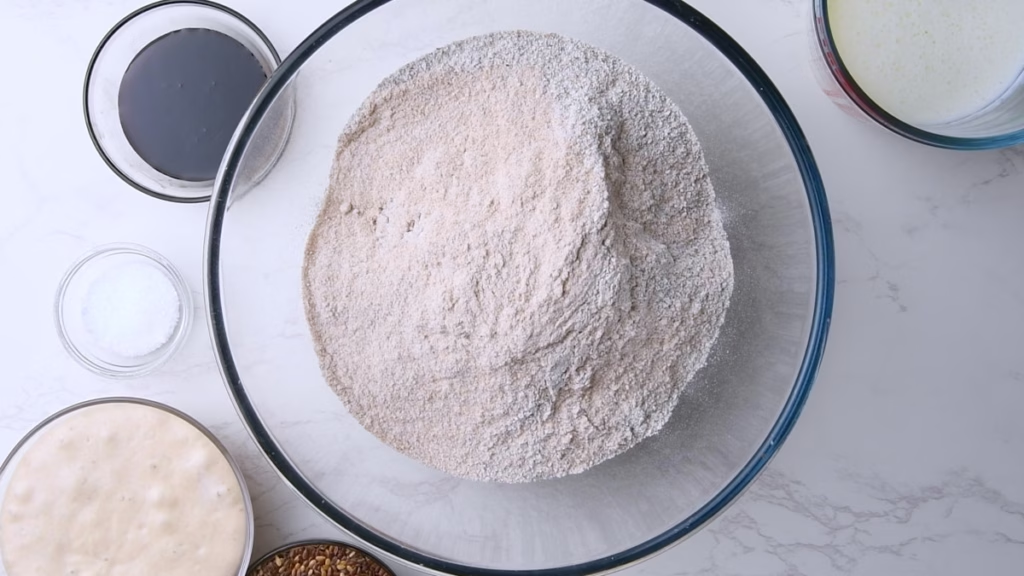
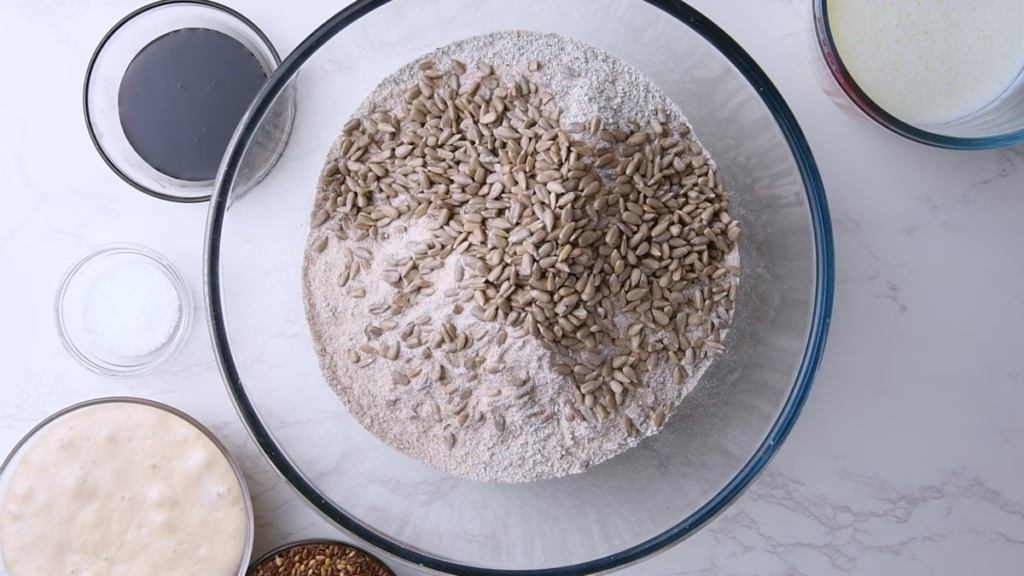
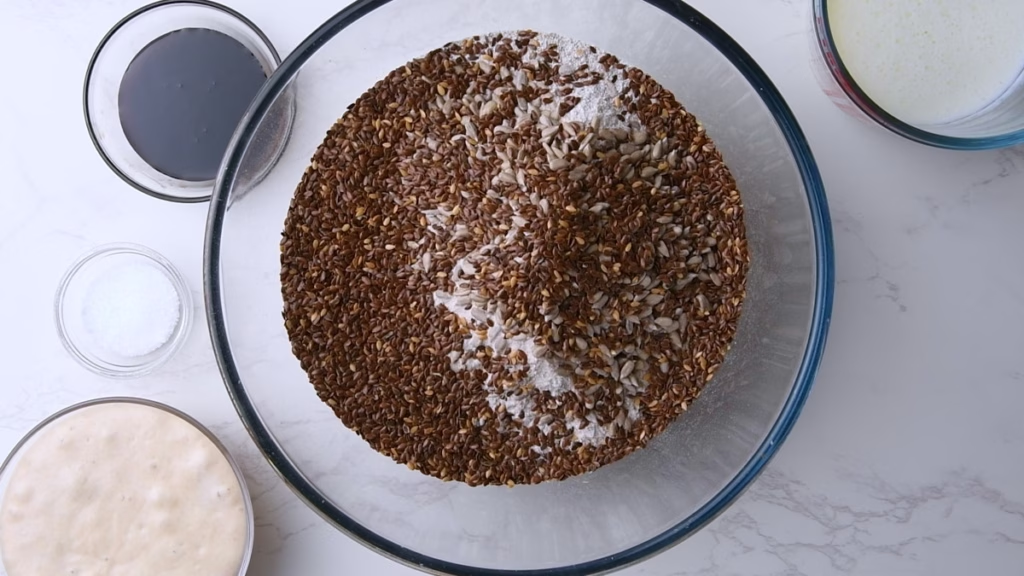
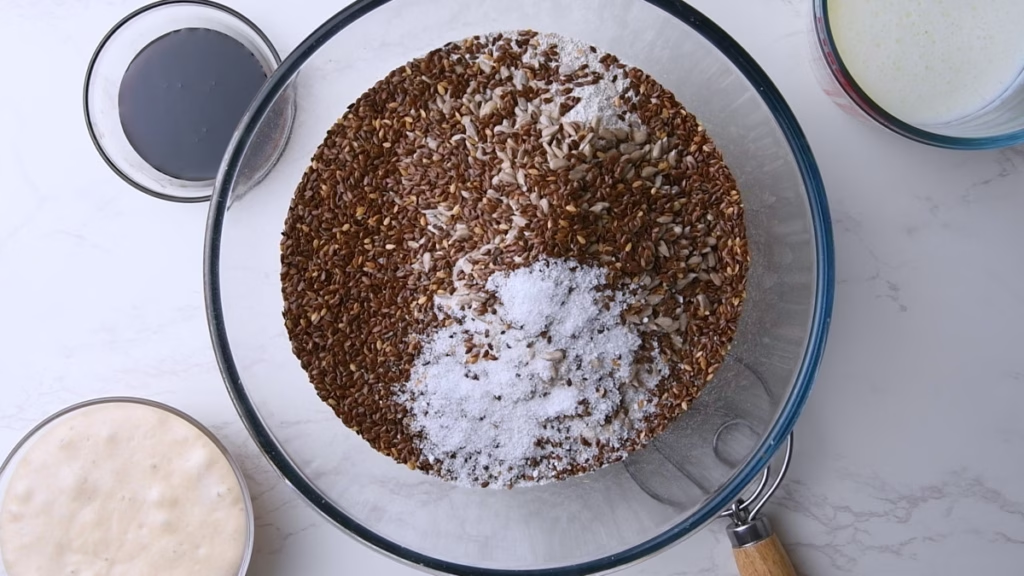
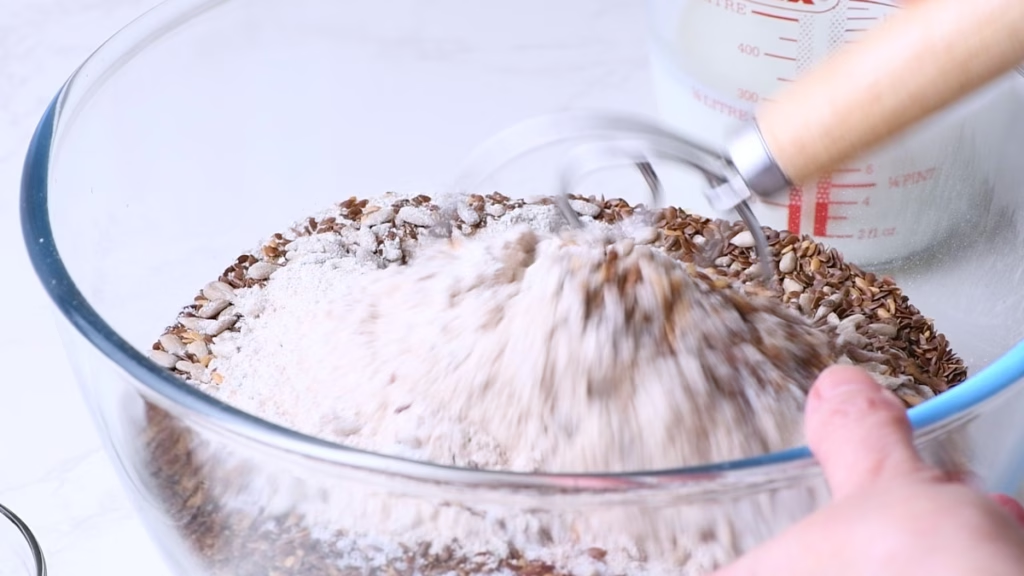
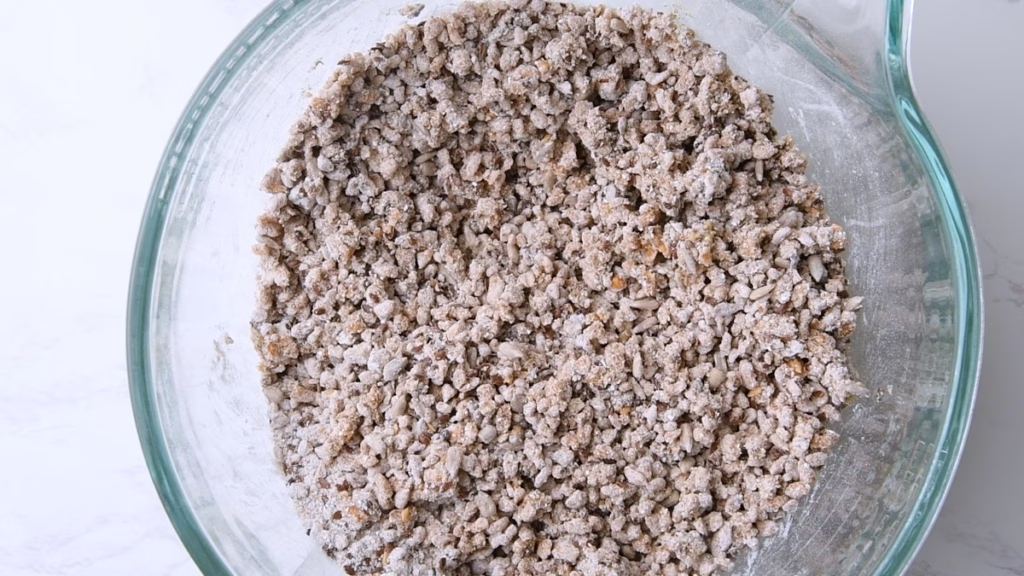
- To your bowl of well soaked and drained grains, add the dark rye flour, Einkorn/Emmer Flour (or substitute wholegrain flour), sunflower seeds, Flax seeds, and kosher salt.
- Use your dough whisk or a sturdy spoon to give everything a good stir.
Mix The dough Of Your German Schwarzbrot
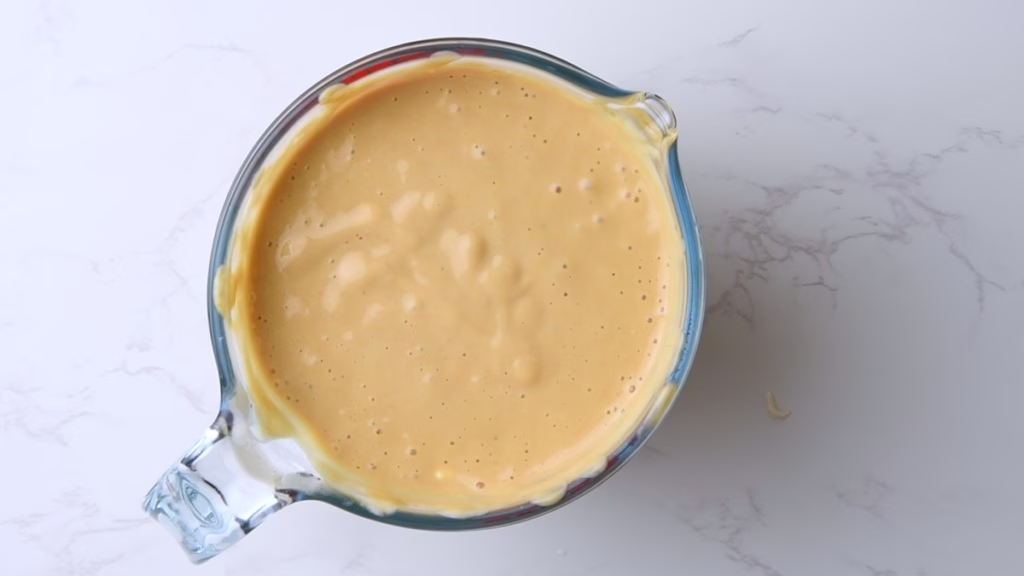
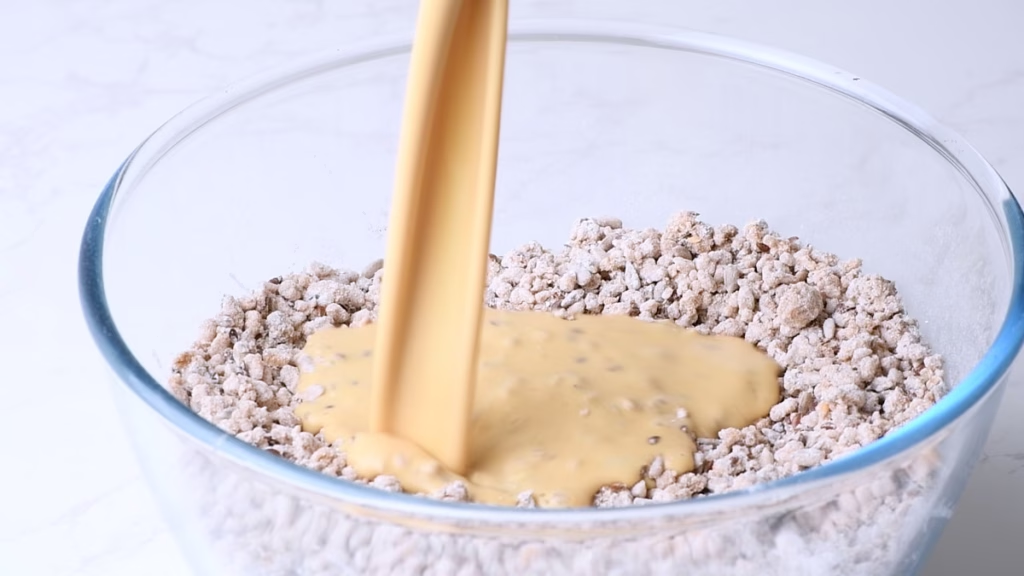
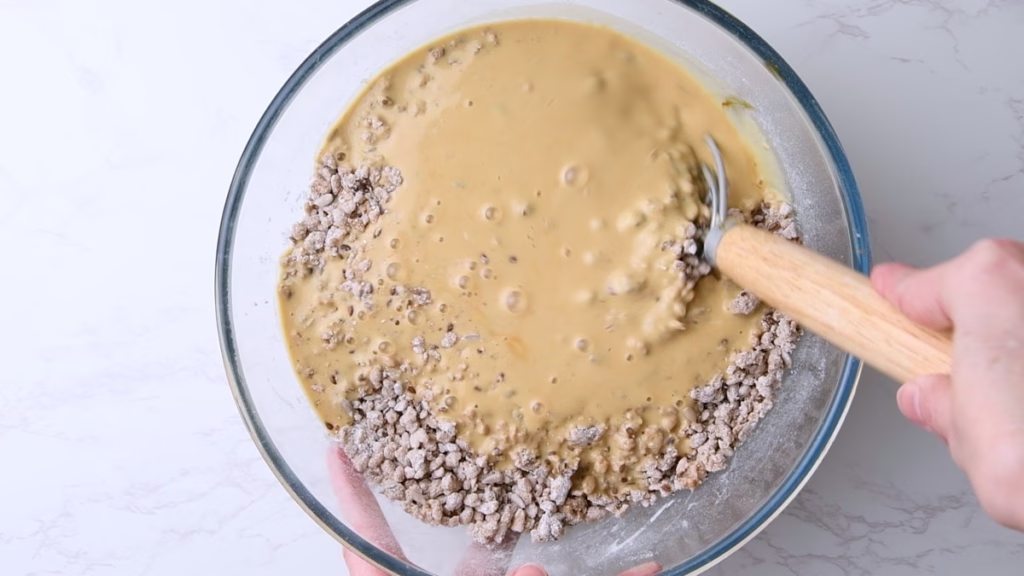
- Add the wet ingredient mixture to the dry ingredients in the bowl. Knead, ideally in a stand mixer, for about 15-20 minutes on low.
- While this sounds like a very long time, it gently releases the starches and pentosans (the natural ‘glues’ in rye), allowing the water to bind more effectively, helping to prevent the dreaded “flying crust” you can see in the picture on the topic above.
- Here is the before and after look:
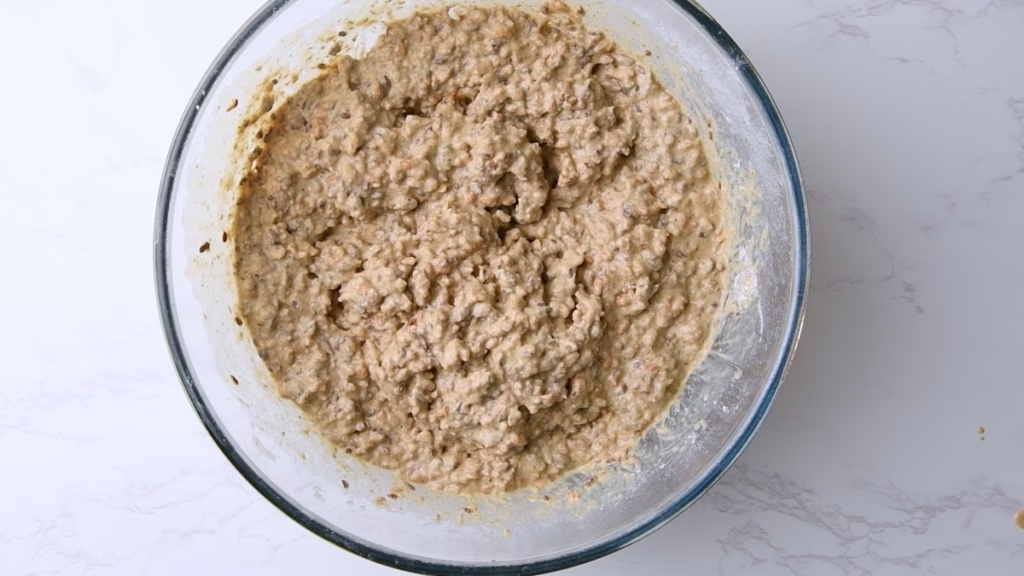
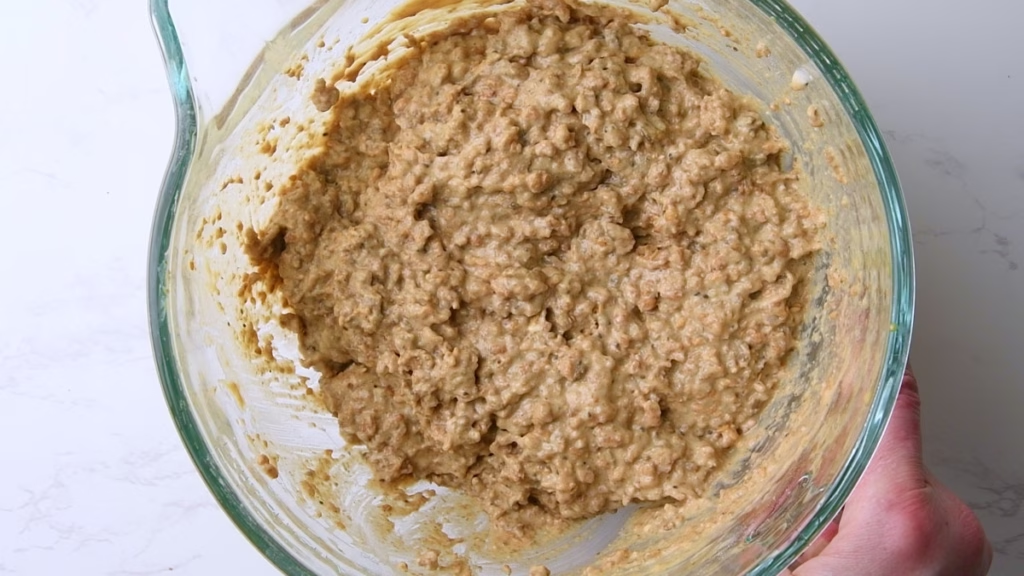
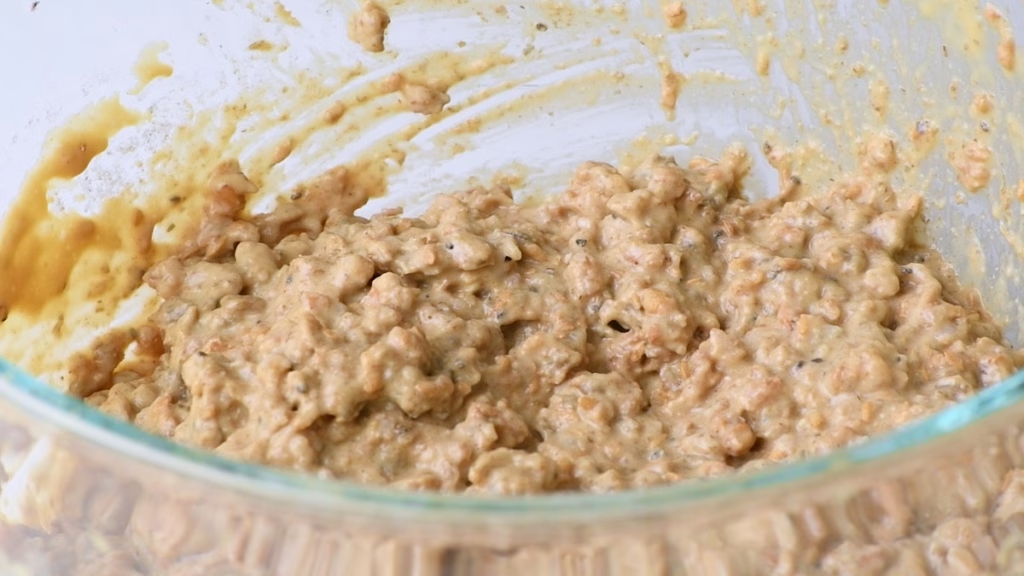
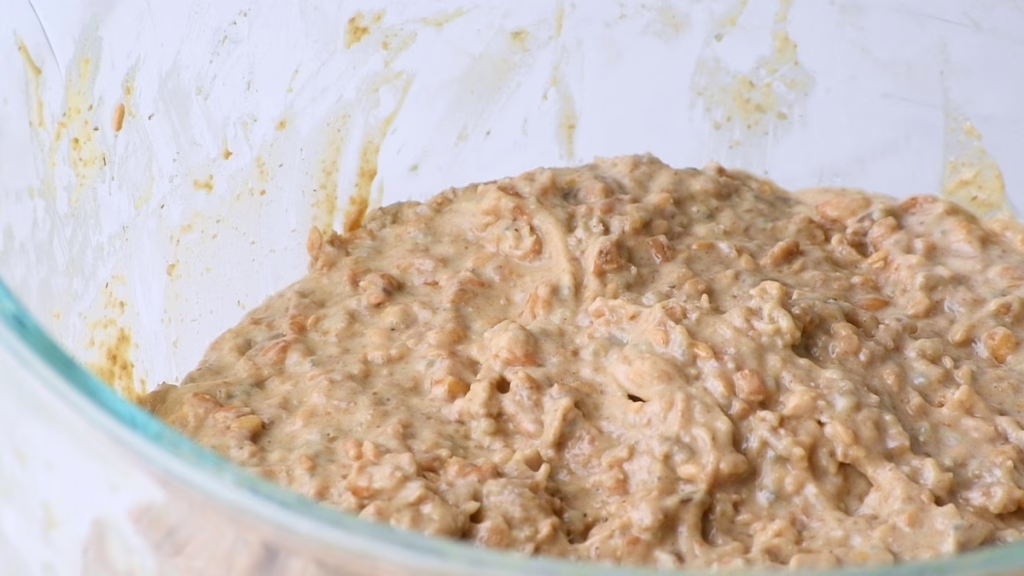
- It will be very soft and sticky, looking more like a thick banana bread batter than typical sourdough bread. This is working as intended.
- There is no windowpane test or similar with this dough. It’s also very forgiving when it comes to the fermentation time.
Day 2 (Afternoon/night): Overnight Cold Fermentation
Transfer To Bread Pan and Overnight Fermentation
- Grease a standard 9×5-inch bread pan.
- Because of the long kneading time, I skipped the typical bulk proof and simply went ahead with the cold fermentation. You can add the bulk proof if you like. Whatever fits your schedule.
- Now you have 2 choices: If you know your bread pan is perfectly non-stick, just sprinkle it with some oats.
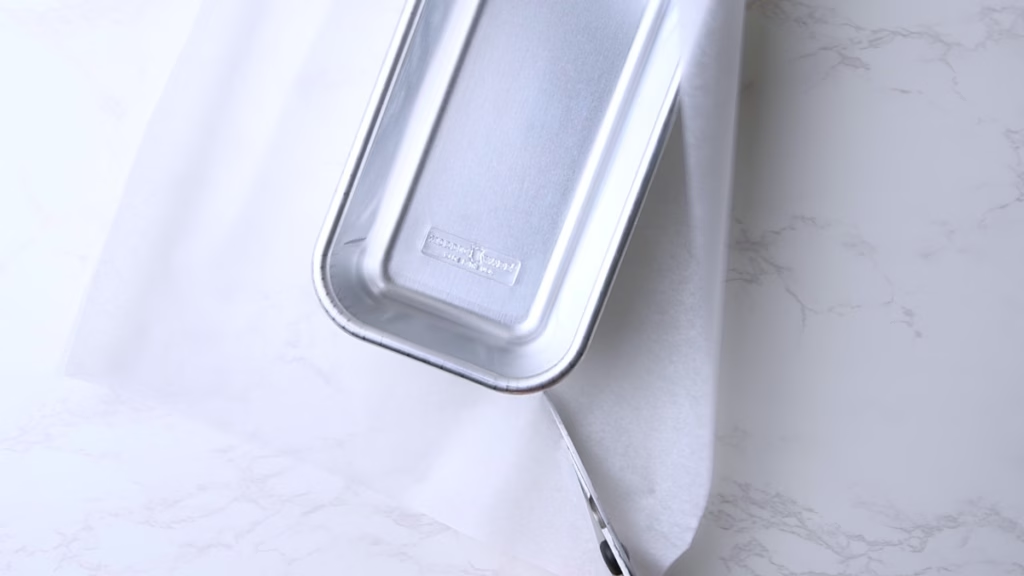
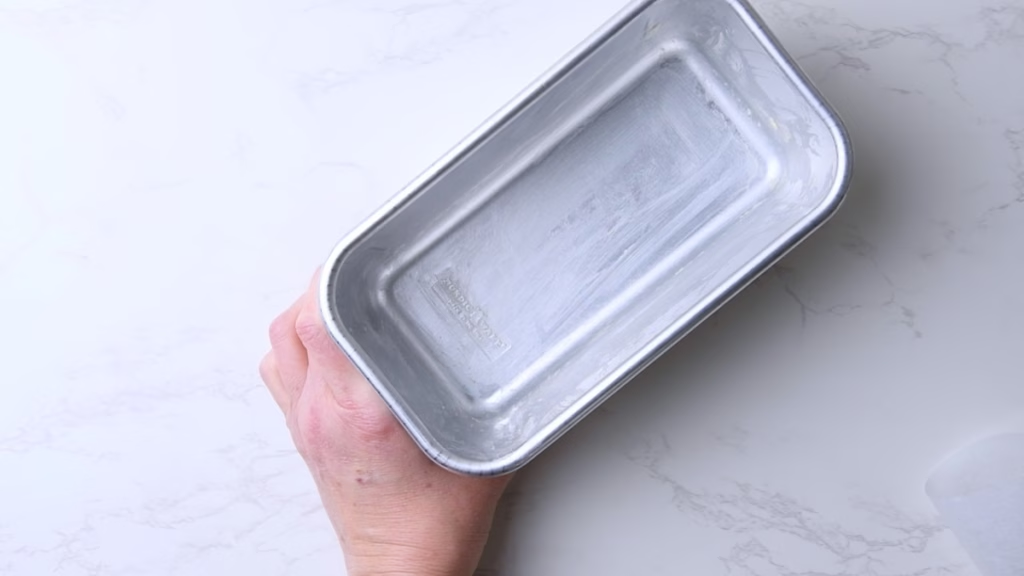
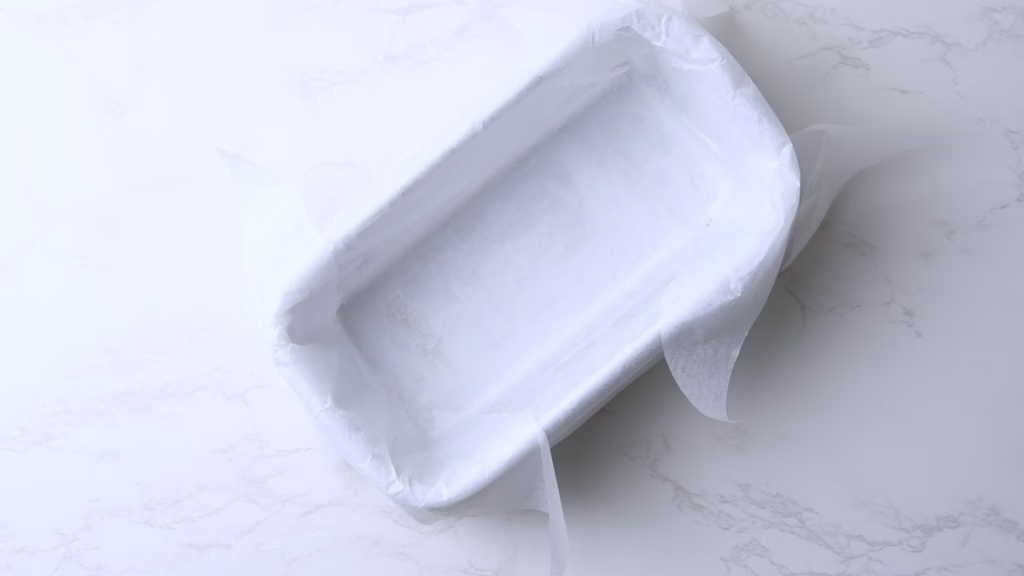
- If you are like me and are occasionally unlucky with sticky dough, line it with baking parchment. I show you some steps to do this neatly in the video.
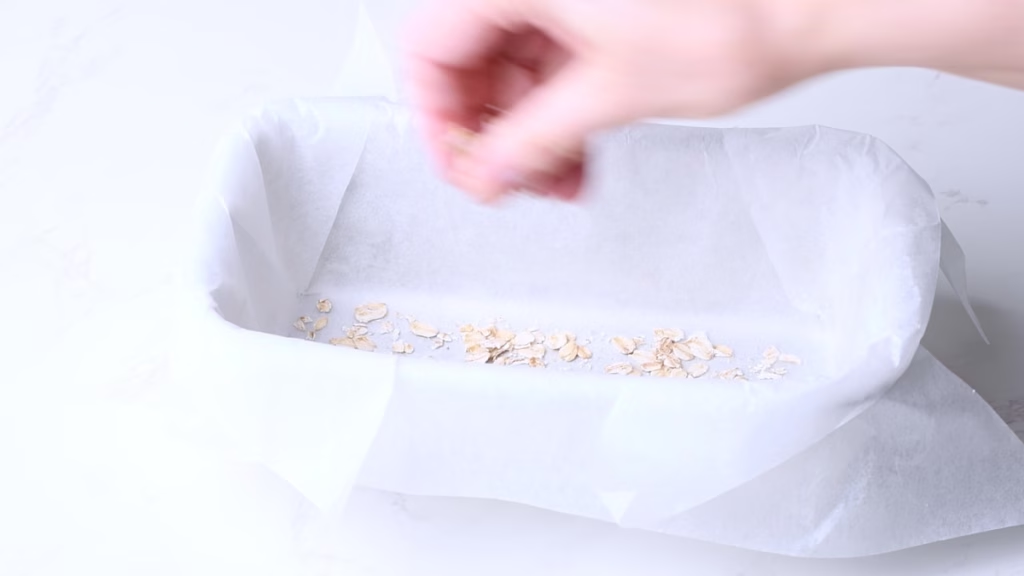
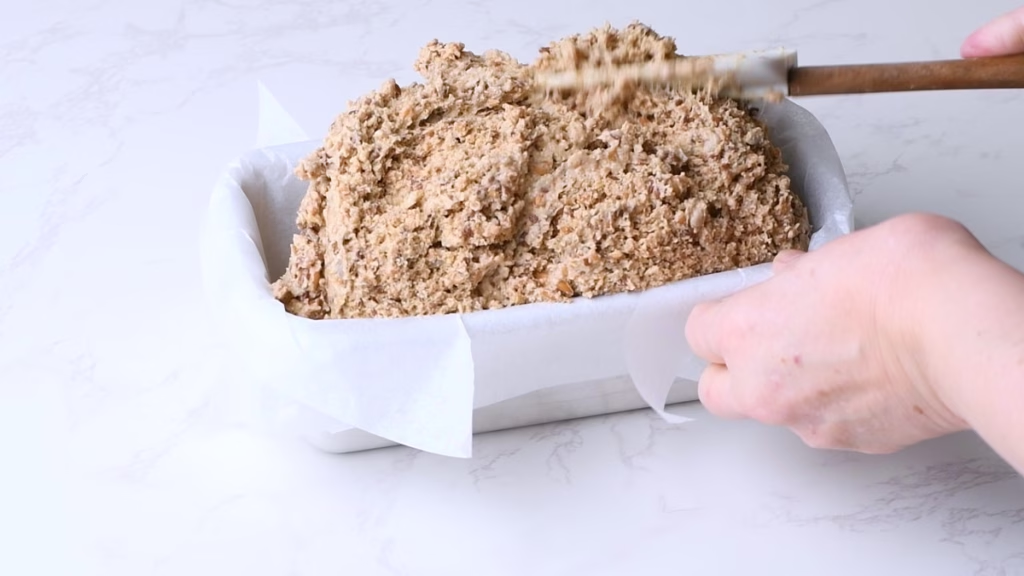
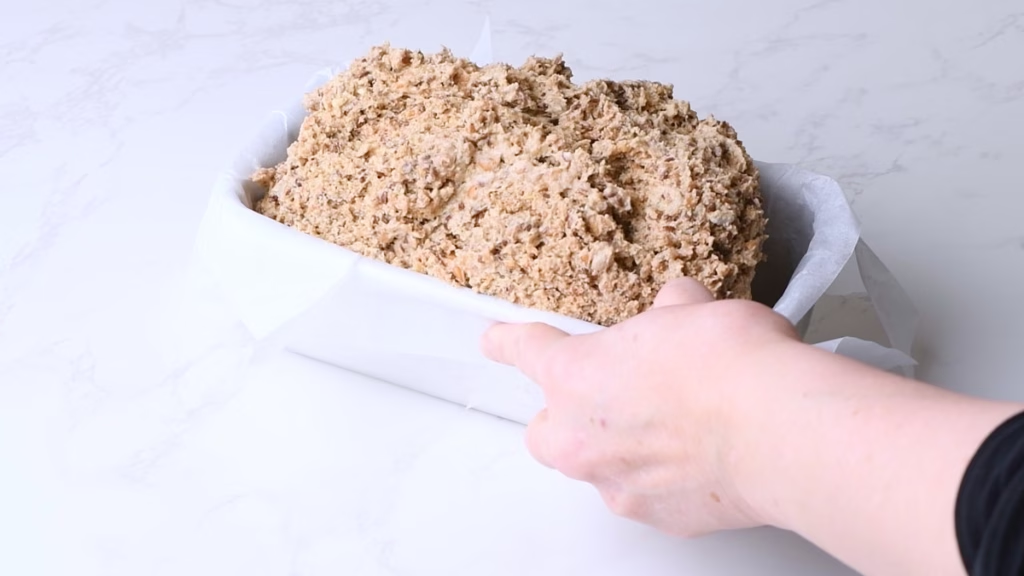
- Then sprinkle some rolled oats into the pan, to give your loaf the classic look.
- Transfer the dough into a greased/Lined bread pan. This works best with a rubber spatula.
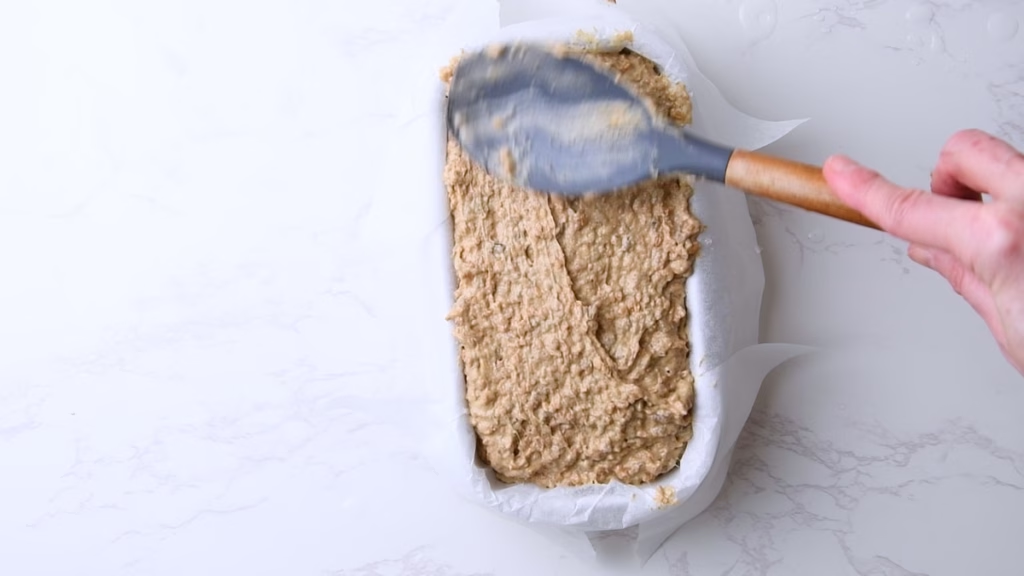
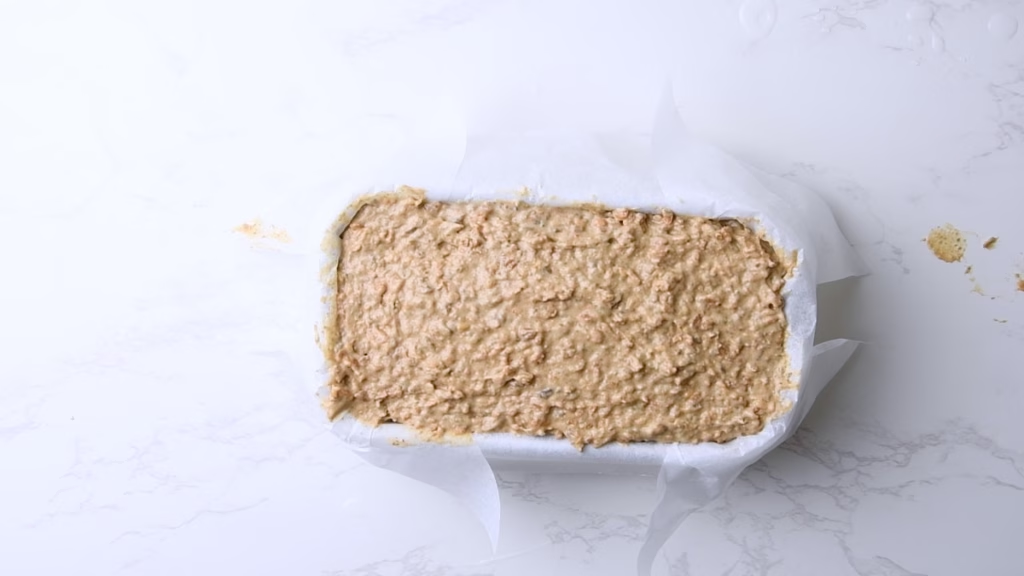
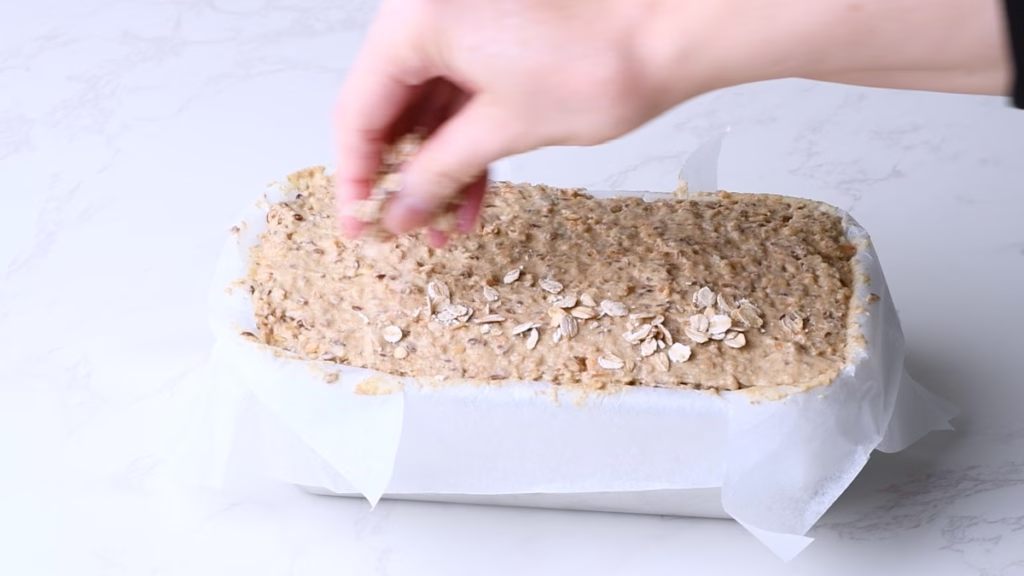
- Your dough will come to the very top of your pan. That’s what you want, as it won’t rise very much.
- Sprinkle the top with some more oats.
- Cover with some cling film or a shower cap and allow to overnight ferment in the fridge.
Day 3 – Baking Your Dark Sourdough Rye Bread
A Note on Scoring
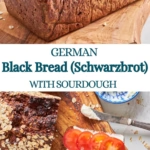
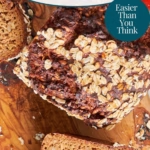
A classic German Black Bread (Schwarzbrot) is usually not scored, but allowed to crack open naturally where it wants. This is what you see in the main pictures of the post and why it looks rather…wild.
I did score my bread in the previous version, but felt it contributes to said possibility of “Flying Crust” as it “cuts” through the center and with that destabilises any crust that forms.
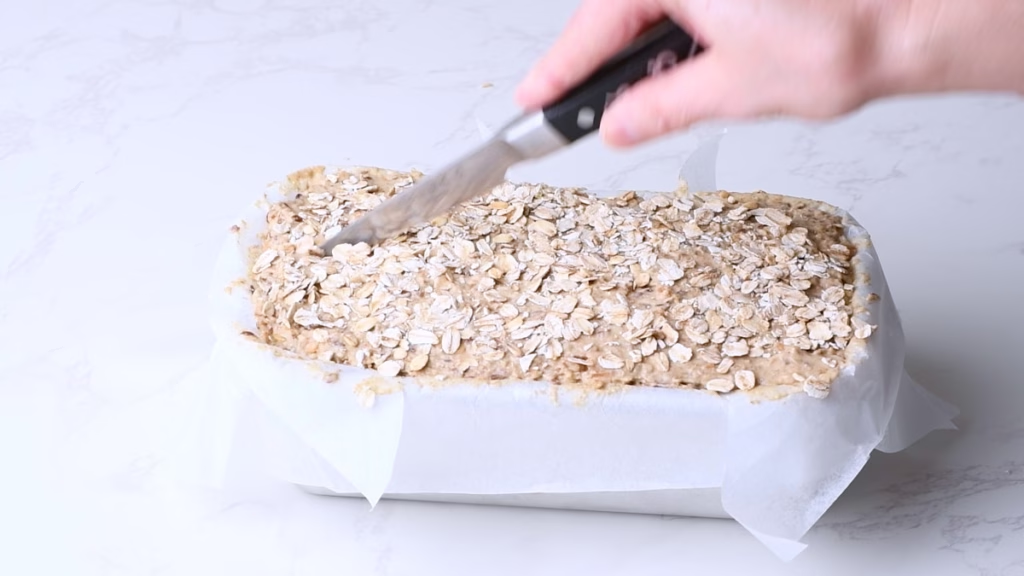
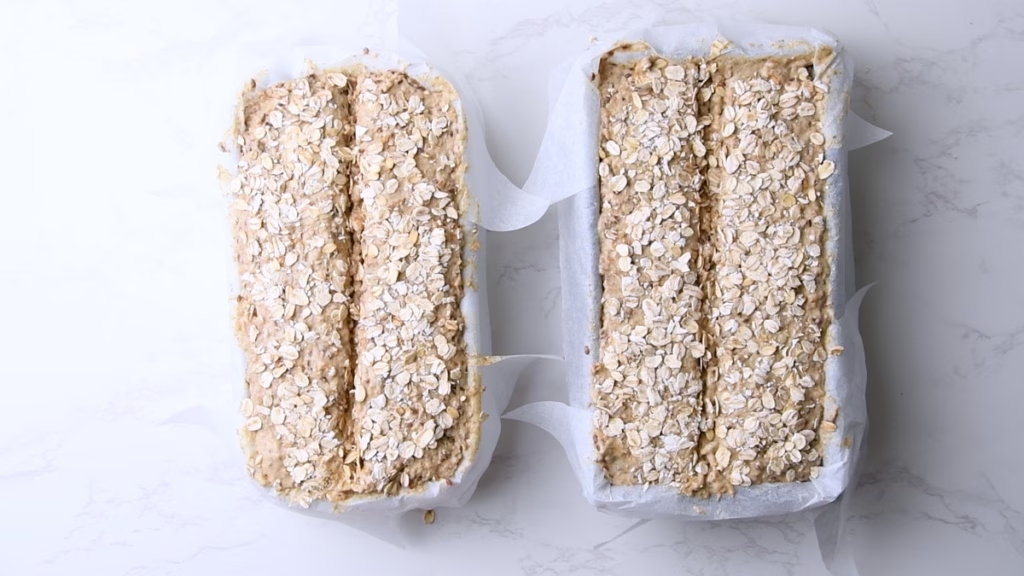
Be aware though, due to the very high hydration, if you score, you’ll want to make a big and wide score, not a razor sharp one, as that will close within seconds.
For this loaf, I went with poking it with a skewer a few times. And looking at the outcome, I’d say that worked quite well.
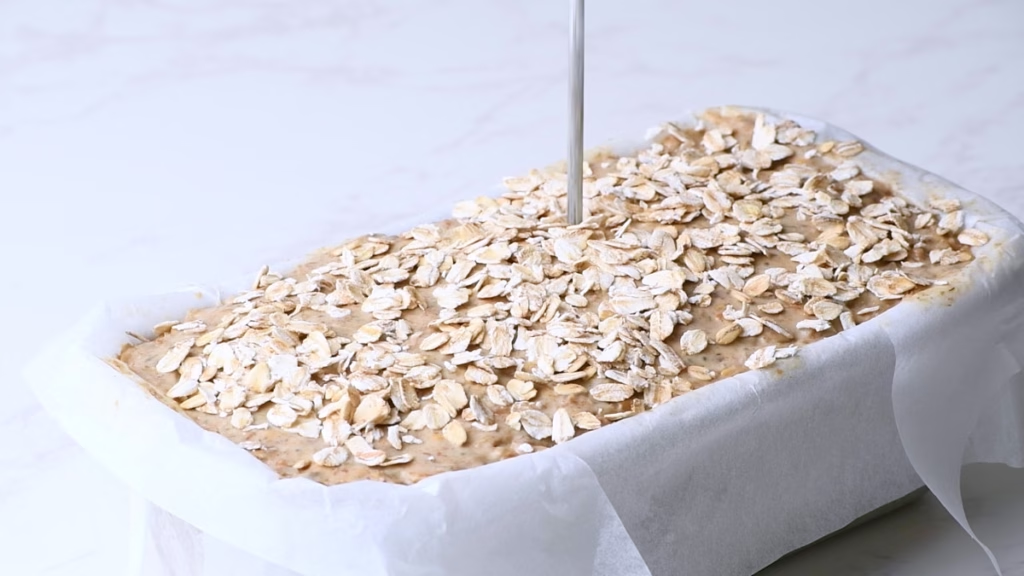
The moral of the story: Try it out. Go with your preferences. And if the crust does come off a little? You just snack on it and pretend you wanted crustless slices anyway. That’s what I did anyay.
Bake Your Sourdough Black Bread
- Take your Bread Pan out of the fridge. The dough should have risen a small bit, just about to the rim of the pan, but not as much as your classic sourdough bread by a long shot.
- Preheat the oven to 320°F (160°C).
- Place a heavy-duty cast iron skillet or a stainless steel baking tray on the rack below where you’ll bake the bread for adding steam in the first 15-20 minutes. Avoid glass, as it can shatter when you add the water.
- Once you push your bread into the oven, add about 1 cup of water to the heatproof container you pre-heated in your oven and close the door. This will create steam to give the bread a bit of an initial burst of rising and later help the crust get crisp, but not overly hard.
- After about 30 minutes of baking open the oven door briefly, to let any potentially remaining steam escape and close the door again.
- Bake for about 130 to 150 minutes or until the bread reaches an internal temperature of 205°F (96°C).
- I usually rotate my bread about halfway through the baking, as my oven browns unevenly.
- If your crust looks like it might be getting too dark in the last 30 minutes (I know, hard to tell with this dark bread!) you can cover it losely with some kitchen foil. I usually enjoy the dark brown bits, as they are full of flavor!
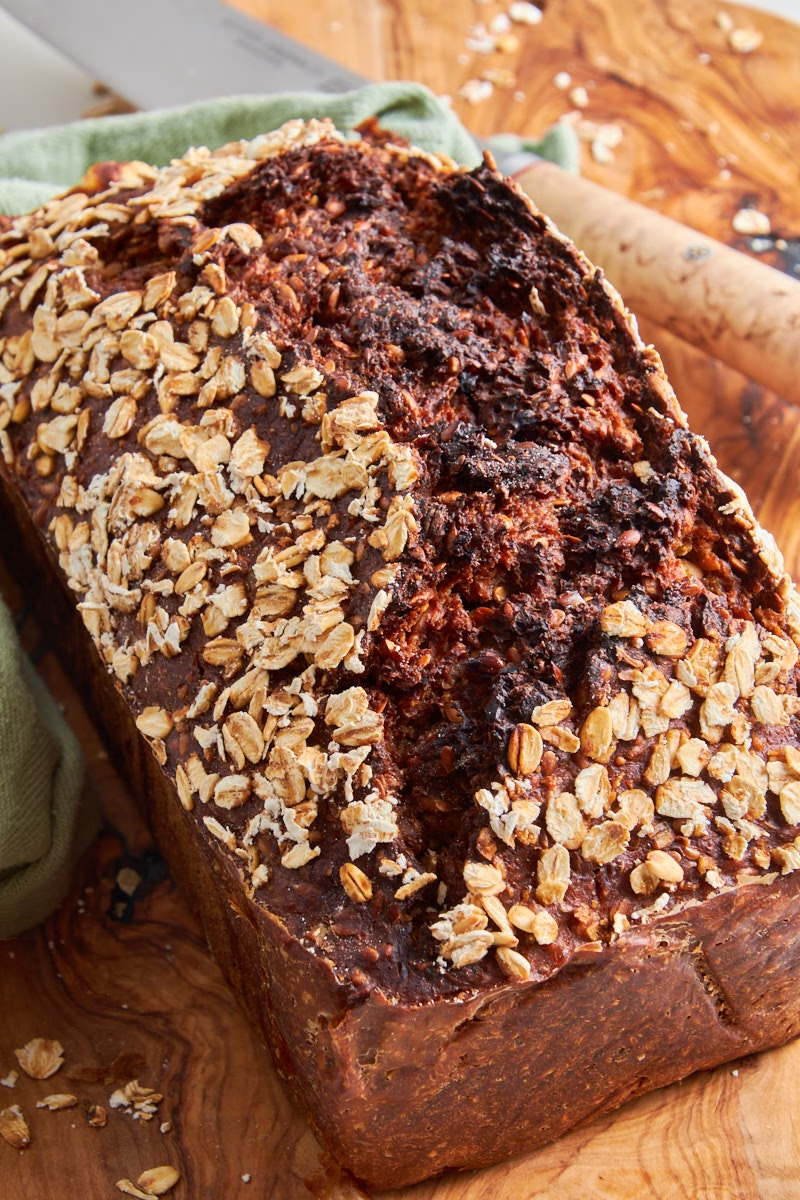
Allow Your Bread to Cool. Really.
- Once baked, remove the bread from the oven and let it cool in the tin for a few minutes. Then transfer the bread to a wire rack to cool completely before slicing.
- And when I say “completely”, that’s at least 8 hours or, better, 24 hours.
- If you slice it too early, the insides may still be sticky, and it’ll be very tricky to get neat, clean slices.
- That being said: While for most breads you’d use a serrated knife, for this one you’ll want a sharp, straight blade to cut cleanly through the grains, without dragging them and breaking the slice. It may take a bit of practice to get those thin slices that are so classic for Schwarzbrot.
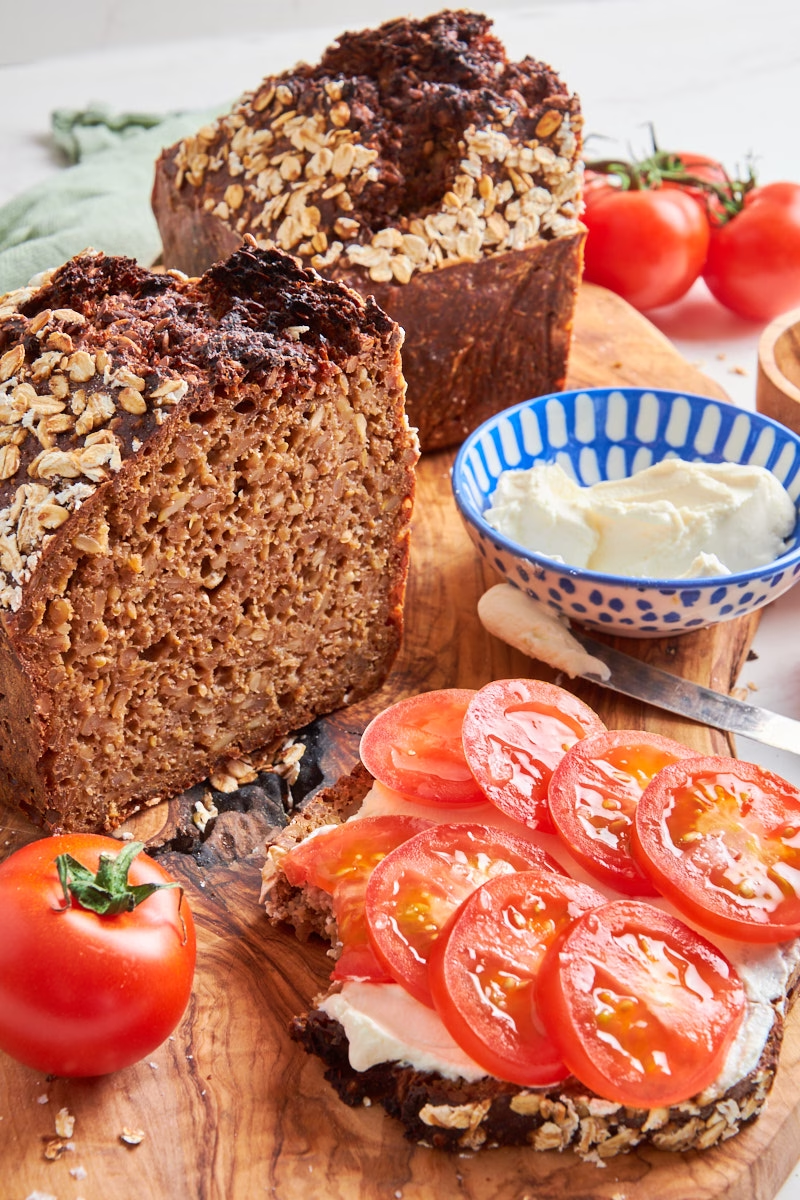
- You could always use an electric slicer (again, without serration), but not everyone has one of those.
- Contrary to your usual sourdough bread, this one gets better over the next days and lasts for up to 2 weeks in an airtight container.
- Enjoy your homemade German Protein Black Bread with Sourdough!
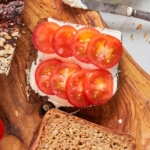
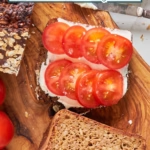
I love mine with some cream cheese, a few slices of tomato and a sprinkle of Maldon salt. Alternatively, butter with a bit of molasses or German Beet Syrup is either breakfast or dessert!
And if you loved this version, be sure to try the protein version. It might look very similar, but has 50% increased protein.
How To Store
- This Whole grain black bread keeps in an airtight container on your counter for up to 2 weeks. You can also store it in the fridge for about the same time.
- It freezes fabulously well in either a freezer bag or wrapped tightly into clingfilm, then kitchen foil.
- Either whole or in slices, separated by baking parchment, so you can grab one at a time.
- You can also toast it. This will intensify the lovely nutty flavor and re-crisp the crust in all the right ways.
Now I’d love to hear from you in the comments!
Have you tried this? Did you enjoy it?
What other recipes would you like to see?
And if you enjoyed this recipe, please consider rating, sharing, or leaving a comment – your feedback truly helps my blog grow!
Other recipes you might enjoy


More Typical German Recipes:


FAQ
Not at all! This is a “dense” bread by design. Unlike a baguette or a sandwich loaf, Schwarzbrot doesn’t have large air bubbles. It should feel heavy and substantial. If it’s yielding and soft to the bite (not “rock hard”), you’ve nailed it.
I don’t recommend it unless you have a very long soak (48 hours) or a grain mill. Whole berries can stay quite hard even after baking, which can be unpleasant (or even a risk for your teeth!). If you only have whole berries, pulse them in a blender for 30 seconds to crack them open first.
Rye is naturally stickier than wheat. However, if it’s “gummy” and leaves a residue on the knife, it likely hasn’t cooled long enough. This bread must rest for at least 8–24 hours to let the starches set. If it’s still sticky after 24 hours, try baking it for 10 minutes longer next time.
You can use yeast for the rise (see my substitutions section), but you must add an acid like apple cider vinegar or lemon juice. Without acidity, the starches in rye flour won’t set properly, and you’ll end up with a “molten” or gummy interior.
German Black Bread with Sourdough
- Total Time: 3 days
- Yield: 24 slices 1x
Description
Real German Schwarzbrot is known for being dense, hearty, and incredibly long-lasting. It’s a 77-100% whole-grain bread that relies on a slow process and simple ingredients like dark rye, buttermilk, and cracked grains. I’ve updated this recipe to move away from the ‘no-knead’ method I originally shared. While just stirring the dough is easier, I found that a dedicated 15-20 minute knead is the only way to consistently prevent the ‘flying crust’—the gap that can form between the top and the crumb and it keeps the bread incredibly soft. This update ensures a stable, reliable loaf that stays moist and slices perfectly every time.
Ingredients
Starter (Levain. Feed the day before mixing your dough)
- 2 tbsp (20g) starter
- 1 cup +2 tbsp (140g) flour (use rye flour to make this 100% whole grain)
- 1/2 cup (125ml) water
Grains (Soak the day before mixing your dough)
- 1 cup (200g) cracked Spelt or Emmer or Wheat berries
Dough
- 1 cup (120g) dark rye flour
- 1 1/4 cup (150g) Emmer or Einkorn Flour (Substitute Wholegrain)
- 1 cup (250ml) buttermilk
- 1/2 cup (70g) sunflower seeds
- 1/2 cup (75g) Flax seeds
- 1 cup (220g) sourdough starter
- 3 tbsp (45ml) water
- 2 tsp (6g) kosher salt
- 3 tbsp (45g) molasses (or honey)
- 3 tbsp rolled oats for sprinkling
Instructions
Day 1: Preparing the Levain and Grain Soak
Levain
- Prepare your Levain my mixing all the ingredients and leaving it lightly covered on your counter overnight. Due to the feeding ratio, It’ll be ready to use the next day, whenever you get around to it.
Soak Your Grains
- Pre-soak the grain berries by covering with about double their volume of just boiled water. Leave them covered on the counter overnight. Drain well in a sieve for a few minutes before mixing into the dough.
- If you are in a hurry…well…half hurry, as this is, by nature, a slow bread, you can boil the cracked grains for about 60-90 minutes until they are soft and then drain them.
- Drain well in a sieve or colander for at least 10 minutes, shaking them occasionally, before mixing into the dough. Otherwise you may have a too wet dough.
- If you have very fresh grain berries, you could try to skip this step and ferment the dough for at least 24h, but they will remain slightly harder than the pre-soaked version.
Day 2: Mixing the Protein Rye Dough
Combine the Wet Ingredients
- Combine the wet ingredients in a bowl: buttermilk, sourdough starter, and molasses (or honey). Mix thoroughly.
Stir The Dry Ingredients
- To your bowl of well soaked and drained grains, add the dark rye flour, Einkorn/Emmer Flour (or substitute wholegrain flour), sunflower seeds, Flax seeds, and kosher salt.
- Use your dough whisk or a sturdy spoon to give everything a good stir.
Mix The Dough Of Your German Schwarzbrot
- Add the wet ingredient mixture to the dry ingredients in the bowl. Knead, ideally in a stand mixer, for about 15-20 minutes on low.
- While this sounds like a very long time, it gently releases the starches and pentosans (the natural ‘glues’ in rye), allowing the water to bind more effectively, helping to prevent the dreaded “flying crust” you can see in the picture on the topic above.
- It will be very soft and sticky, looking more like a thick banana bread batter than typical sourdough bread. This is working as intended.
- There is no windowpane test or similar with this dough. It’s also very forgiving when it comes to the fermentation time.
Transfer To Bread Pan and Overnight Fermentation
- Grease a standard 9×5-inch bread pan.
- Because of the long kneading time, I skipped the typical bulk proof and simply went ahead with the cold fermentation. You can add the bulk proof if you like. Whatever fits your schedule.
- Now you have 2 choices: If you know your bread pan is perfectly non-stick, just sprinkle it with some oats.
- If you are like me and are occasionally unlucky with sticky dough, line it with baking parchment. I show you some steps to do this neatly in the video.
- Then sprinkle some rolled oats into the pan, to give your loaf the classic look.
- Transfer the dough into a greased/Lined bread pan. This works best with a rubber spatula.
- Your dough will come to the very top of your pan. That’s what you want, as it won’t rise very much.
- Sprinkle the top with some more oats.
- Cover with some cling film or a shower cap and allow to overnight ferment in the fridge.
Day 3 – Baking Your Protein Rye Bread
A Note on Scoring
- A classic German Black Bread (Schwarzbrot) is usually not scored, but allowed to crack open naturally where it wants. This is what you see in the main pictures of the post and why it looks rather…wild.
- I did score my bread in the previous version, but felt it contributes to said possibility of “Flying Crust” as it “cuts” through the center and with that destabilises any crust that forms.
- Be aware though, due to the very high hydration, if you score, you’ll want to make a big and wide score, not a razor sharp one, as that will close within seconds.
- For this loaf, I went with poking it with a skewer a few times. And looking at the outcome, I’d say that worked quite well.
- The moral of the story: Try it out. Go with your preferences. And if the crust does come off a little? You just snack on it and pretend you wanted crustless slices anyway. That’s what I did anyay.
Bake Your Sourdough Black Bread
- Preheat the oven to 320°F (160°C).
- Take your Bread Pan out of the fridge. The dough should have risen a small bit, just about to the rim of the pan, but not as much as your classic sourdough bread by a long shot.
- Place a heavy-duty cast iron skillet or a stainless steel baking tray on the rack below where you’ll bake the bread for adding steam in the first 15-20 minutes. Avoid glass, as it can shatter when you add the water.
- Once you push your bread into the oven, add about 1 cup of water to the heatproof container you pre-heated in your oven and close the door. This will create steam to give the bread a bit of an initial burst of rising and later help the crust get crisp, but not overly hard.
- After about 30 minutes of baking open the oven door briefly, to let any potentially remaining steam escape and close the door again.
- Bake for about 130 to 150 minutes or until the bread reaches an internal temperature of 205°F (96°C).
- I usually rotate my bread about halfway through the baking, as my oven browns unevenly.
- If your crust looks like it might be getting too dark in the last 30 minutes (I know, hard to tell with this dark bread!) you can cover it losely with some kitchen foil. I usually enjoy the dark brown bits, as they are full of flavor!
Allow Your Bread to Cool. Really.
- Once baked, remove the bread from the oven and let it cool in the tin for a few minutes. Then transfer the bread to a wire rack to cool completely before slicing.
- And when I say “completely”, that’s at least 8 hours or, better, 24 hours.
- If you slice it too early, the insides may still be sticky, and it’ll be very tricky to get neat, clean slices.
- That being said: While for most breads you’d use a serrated knife, for this one you’ll want a sharp, straight blade to cut cleanly through the grains, without dragging them and breaking the slice. It may take a bit of practice to get those thin slices that are so classic for Schwarzbrot.
- You could always use an electric slicer (again, without serration), but not everyone has one of those.
- Contrary to your usual sourdough bread, this one gets better over the next days and lasts for up to 2 weeks in an airtight container.
- Enjoy your homemade German Black Bread with Sourdough!
- I love mine with some cream cheese, a few slices of tomato and a sprinkle of Maldon salt. Alternatively, butter with a bit of molasses or German Beet Syrup is either breakfast or dessert!
Notes
The equipment section may contain affiliate links to products I know and love.
Tips and Tricks
- Don’t Skip the Soak: Your grain berries need that overnight soak to soften. If they go in dry, they’ll steal moisture from the dough, leaving the rest of the loaf crumbly and hard.
- Drain the Grains Well: After soaking, let the grains sit in a sieve for at least 10 minutes. Too much “stray” water is often what leads to excess steam and a separating top crust.
- Mix to Bind: Use a stand mixer or a sturdy spoon to mix the dough for a few minutes. We aren’t building a “gluten net,” but we are helping the rye’s natural starches bind with the water to create a solid loaf.
- Trust the Internal Temp: Because this bread is dark, you can’t judge it by color. Use a thermometer! When the center hits 205°F (96°C), the “rye glue” has set, and the bread is done.
- The 24-Hour Rule: I know it’s tempting, but do not slice this bread while it’s warm. The starches need a full day to settle and “cure.” If you cut too early, the inside will be sticky and gummy.
Tip:
- In some recipes I saw people carefully measuring the water they soak their grains in. I found, with the about 450ml (under 2 cups) you need, the grain is covered at first, but soon expands above the water, meaning you have some dryer and some wetter berries, leading to weird changes in texture and hard grains in parts.
- You could argue that different sizes of grain berries soak up very different amounts of water and you’d be entirely correct. I weighed differences of up to 1/2 cup/120ml when soaking different types of grains. But that’s where the core temperature at the end of baking comes into play. If your bread is at 205°F (96°C) the water has evaporated to the degree that gives this bread the ideal texture. You might bake a little longer or shorter, but it’ll still work beautifully with soft grains throughout the dough.
How to Store
- This Whole grain black bread keeps in an airtight container on your counter for up to 2 weeks. You can also store it in the fridge for about the same time.
- It freezes fabulously well in either a freezer bag or wrapped tightly into clingfilm, then kitchen foil.
- Either whole or in slices, separated by baking parchment, so you can grab one at a time.
- You can also toast it. This will intensify the lovely nutty flavor and re-crisp the crust in all the right ways.
- Prep Time: 40 minutes
- Fermentation/Grain Soaking Time: 16 hours
- Cook Time: 140 minutes
- Category: Bread, Breakfast, Side Dish
- Method: Bake
- Cuisine: German
Nutrition
- Calories: 146
- Sugar: 2
- Sodium: 257
- Fat: 4
- Saturated Fat: 1
- Carbohydrates: 24
- Fiber: 4
- Protein: 5
- Cholesterol: 2

German sourdough black bread is a wonderful and delicious idea. I have tried I am going to make it again.
Thank you. 🙂
This bread has a great texture , dense and very flavorful . The ingredients are very healthy and baking and having it is so satisfying!
Thank you! The texture is what I love most as well. 🙂
We have a restaurant in town that serves a bread just like this. So I wanted to find a recipe like it. This bread turned out perfectly! I felt like a pro baker with every slice. 😉 Thanks for the great recipe!
Awww, so happy it reminded you of restaurant bread! 🙂
I love anything involving sourdough, so I was super excited to make this. It did NOT disappoint!
Thank you, so glad you liked it. 🙂
This was such a delicious, hearty sourdough recipe! It reminded me of all the tasty breads we sampled overseas.
Ohhh! I hope you got to try a lot of them!
And thank you. .-)